Are TikTok anti-inflammatory diets the real deal, or just another fleeting trend? Social media is flooded with health advice, but separating fact from fiction can be challenging. This article cuts through the noise to explore the science behind anti-inflammatory diets and whether they live up to the hype. We’ll examine the foods that fight inflammation, the potential benefits, and how to create a sustainable eating plan that promotes long-term wellness.

Understanding Inflammation: The Body’s Silent Battle
Inflammation is a natural process. It’s how your body responds to injury or infection. Think of it as the body’s defense system kicking into gear. Acute inflammation is short-term and beneficial, helping you heal from a cut or fight off a cold.
However, chronic inflammation is a different beast. It’s a long-term, low-grade inflammation that can silently wreak havoc on your health. It has been linked to a range of serious conditions, including heart disease, diabetes, arthritis, and even some types of cancer.
Several factors can contribute to chronic inflammation. These include poor diet, lack of exercise, chronic stress, smoking, and exposure to environmental toxins. Certain autoimmune disorders can also trigger chronic inflammation.
What is an Anti-Inflammatory Diet?
An anti-inflammatory diet focuses on consuming foods that help reduce inflammation in the body, while avoiding those that promote it. It’s not a specific diet with rigid rules, but rather a way of eating that prioritizes whole, unprocessed foods. This approach aims to shift the balance in your body, promoting healing and preventing chronic disease.
The core principles of an anti-inflammatory diet involve increasing the intake of foods rich in antioxidants, omega-3 fatty acids, and fiber. These nutrients have been shown to have powerful anti-inflammatory effects. The Mediterranean diet is a great example of an eating pattern that incorporates these principles. Check out this 7-Day High-Protein Mediterranean Diet Meal Plan for Fall: Fuel Your Body!: https://befullbehealth.com/2025/7-day-high-protein-mediterranean-diet-meal-plan-for-fall-fuel-your-body/
Foods That Fight Inflammation
Certain foods possess powerful anti-inflammatory properties. Incorporating these into your diet can make a significant difference in reducing inflammation levels in your body. Here are some key players:
- Fatty Fish: Salmon, tuna, mackerel, and sardines are rich in omega-3 fatty acids, which are known for their anti-inflammatory effects. Aim to eat fatty fish at least twice a week.
- Fruits and Vegetables: Berries (blueberries, strawberries, raspberries), leafy greens (spinach, kale), broccoli, and tomatoes are packed with antioxidants that combat inflammation.
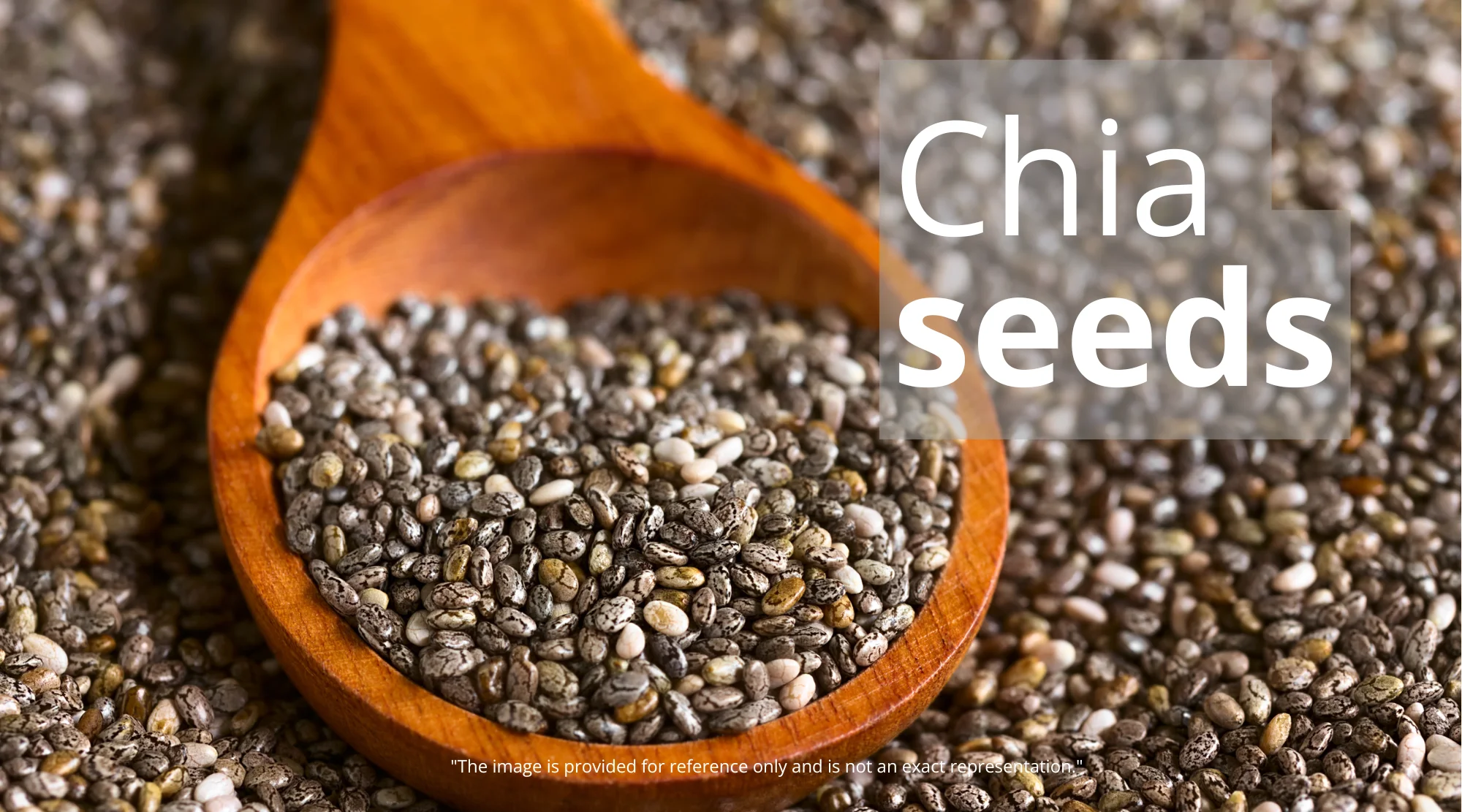
- Nuts and Seeds: Almonds, walnuts, chia seeds, and flaxseeds provide healthy fats, fiber, and antioxidants.
- Olive Oil: Extra virgin olive oil is a staple of the Mediterranean diet and a rich source of healthy fats and antioxidants.
- Spices: Turmeric, ginger, and garlic have potent anti-inflammatory properties. Turmeric contains curcumin, a compound with strong antioxidant and anti-inflammatory effects.
- Green Tea: Contains antioxidants that can help reduce inflammation.
Foods to Avoid on an Anti-Inflammatory Diet
Just as some foods fight inflammation, others can promote it. Limiting or avoiding these foods is crucial for reducing inflammation in your body:
- Processed Foods: These are often high in unhealthy fats, added sugars, and refined carbohydrates, all of which can contribute to inflammation.
- Sugary Drinks: Soda, fruit juice, and other sugary drinks are major sources of added sugar and can increase inflammation.
- Refined Carbohydrates: White bread, pasta, and pastries are low in fiber and can spike blood sugar levels, leading to inflammation.
- Red Meat: High consumption of red meat, especially processed meats, has been linked to increased inflammation.
- Fried Foods: These are often cooked in unhealthy oils and can contribute to inflammation.
Benefits of Following an Anti-Inflammatory Diet
Adopting an anti-inflammatory diet can offer a multitude of health benefits beyond simply reducing inflammation. These benefits can positively impact various aspects of your well-being:
- Reduced Risk of Chronic Diseases: By combating chronic inflammation, this diet can lower your risk of heart disease, diabetes, arthritis, and certain cancers.
- Improved Joint Pain: The anti-inflammatory properties of the diet can help alleviate joint pain and stiffness associated with arthritis.
- Better Gut Health: A diet rich in fiber and whole foods promotes a healthy gut microbiome, which is essential for overall health and immunity.
- Enhanced Energy Levels: By eliminating processed foods and focusing on nutrient-dense options, you can experience more sustained energy throughout the day. Exhausted After 8 Hours? Uncover the Reasons & Reclaim Your Energy: https://befullbehealth.com/2025/exhausted-after-8-hours-uncover-the-reasons-reclaim-your-energy/
- Improved Mood: Studies have shown a link between diet and mental health. An anti-inflammatory diet may help improve mood and reduce symptoms of depression and anxiety.
- Weight Management: The focus on whole, unprocessed foods can naturally lead to better weight management. Debunking Weight Loss Myths: Calories, Fat & Exercise Secrets Revealed: https://befullbehealth.com/2025/debunking-weight-loss-myths-calories-fat-exercise-secrets-revealed/
Creating Your Own Anti-Inflammatory Eating Plan
It’s not about strict rules or deprivation. Instead, focus on making gradual, sustainable changes to your eating habits. Here’s how to get started:
- Start Small: Don’t try to overhaul your entire diet overnight. Begin by making one or two small changes each week.
- Focus on Whole Foods: Prioritize fruits, vegetables, whole grains, lean protein, and healthy fats.
- Read Labels Carefully: Pay attention to the ingredients list and avoid processed foods with added sugars, unhealthy fats, and artificial additives.
- Cook at Home More Often: This gives you more control over the ingredients and preparation methods.
- Experiment with Recipes: Find healthy and delicious recipes that incorporate anti-inflammatory foods. Easy Anti-Inflammatory Dinners: Delicious Recipes for Better Health: https://befullbehealth.com/2025/easy-anti-inflammatory-dinners-delicious-recipes-for-better-health/
- Stay Hydrated: Drink plenty of water throughout the day to help flush out toxins and support overall health.
Beyond Diet: Lifestyle Factors That Reduce Inflammation
While diet plays a crucial role in managing inflammation, other lifestyle factors can also have a significant impact. Incorporating these into your routine can further enhance the benefits of an anti-inflammatory diet:
- Regular Exercise: Physical activity helps reduce inflammation and improve overall health. Aim for at least 30 minutes of moderate-intensity exercise most days of the week. The 10,000-Step Myth: How Much Walking Do You Really Need for Health?: https://befullbehealth.com/2025/the-10000-step-myth-how-much-walking-do-you-really-need-for-health/
- Stress Management: Chronic stress can contribute to inflammation. Practice stress-reducing techniques such as meditation, yoga, or deep breathing exercises. Mindful Movement: Unlock Your Inner Peace and Transform Your Health: https://befullbehealth.com/2025/mindful-movement-unlock-your-inner-peace-and-transform-your-health/
- Adequate Sleep: Aim for 7-8 hours of quality sleep per night. Sleep deprivation can increase inflammation and impair immune function.
- Quit Smoking: Smoking is a major contributor to inflammation and a host of other health problems.
- Limit Alcohol Consumption: Excessive alcohol consumption can promote inflammation. If you drink alcohol, do so in moderation. The National Institute on Alcohol Abuse and Alcoholism (NIAAA) defines moderate drinking as up to 1 drink per day for women and up to 2 drinks per day for men.
The Bottom Line: Is an Anti-Inflammatory Diet Worth It?
The evidence suggests that an anti-inflammatory diet can be a powerful tool for promoting health and preventing chronic disease. By focusing on whole, unprocessed foods and avoiding those that promote inflammation, you can help shift the balance in your body and improve your overall well-being. While TikTok trends come and go, the principles of an anti-inflammatory diet are rooted in science and offer a sustainable approach to long-term health. Remember, it’s not about following a restrictive diet, but rather about making informed choices that nourish your body and support its natural healing processes. Before making any significant changes to your diet, it’s always a good idea to consult with a healthcare professional or registered dietitian. They can help you create a personalized plan that meets your individual needs and health goals. For more information on inflammation and related conditions, consult reputable sources like the Mayo Clinic.
(https://www.mayoclinic.org/) or the National Institutes of Health (NIH) (https://www.nih.gov/).












2 comments