Is There a Best Time to Take Vitamin D Supplements? Unlocking the Truth
Are you taking vitamin D supplements? If so, you’re likely aiming to bolster your bone health, support your immune system, and improve your overall well-being. But is there an optimal time to take your daily dose for maximum absorption and benefit? Experts are increasingly weighing in on this topic, and understanding the nuances can help you get the most from your supplementation routine. This article explores the latest insights on when to take vitamin D to optimize its effectiveness, factors that influence absorption, and potential interactions to consider.
Unpacking Vitamin D: Why Timing Matters
Vitamin D, often dubbed the “sunshine vitamin,” is a fat-soluble nutrient vital for numerous bodily functions. While our bodies can produce it when exposed to sunlight, many individuals, especially those living in northern latitudes or with limited sun exposure, may require supplementation. But does the time of day affect how well your body absorbs and utilizes this essential vitamin? Some studies suggest it might.
The reasoning behind timing considerations lies in how vitamin D is processed within the body. Being fat-soluble, it’s best absorbed when taken with a meal containing fat. This is because dietary fats help to emulsify vitamin D in the digestive tract, allowing it to be more efficiently absorbed into the bloodstream.
Morning, Noon, or Night: Deciphering the Ideal Time
So, when should you pop that vitamin D pill? While there’s no universally agreed-upon “best” time, here’s a breakdown of different perspectives:
Morning: Taking vitamin D in the morning can align with your body’s natural cortisol rhythm. Cortisol, a hormone that plays a role in energy regulation, is typically highest in the morning. Some believe taking vitamin D alongside this natural cortisol peak may enhance absorption.
Noon: If you typically consume a fatty meal at lunchtime, this could be an opportune time. The presence of dietary fats during this period might improve vitamin D absorption.
Night: Some individuals prefer taking supplements at night to avoid potential interactions with morning medications or simply to incorporate it into their bedtime routine. While less common, this approach can still be effective if taken with a meal containing healthy fats.
Ultimately, the most important factor is consistency. Choosing a time that you can reliably adhere to each day is more crucial than rigidly adhering to a specific time based on theoretical benefits.
The Crucial Role of Dietary Fat in Vitamin D Absorption
As mentioned, vitamin D is a fat-soluble vitamin, meaning it requires fat to be properly absorbed in the small intestine. Without sufficient dietary fat, the vitamin may not be fully utilized by the body, potentially diminishing its benefits. [Link to external site about the importance of fats.]
“Consuming vitamin D with a meal containing healthy fats, such as avocado, nuts, seeds, or olive oil, can significantly enhance its absorption,” explains Dr. Emily Carter, a registered dietitian. “These fats aid in the emulsification process, breaking down the vitamin into smaller particles that are more easily absorbed.”
Consider incorporating these fat-rich foods into your meals when you take your vitamin D supplement:
- Avocados
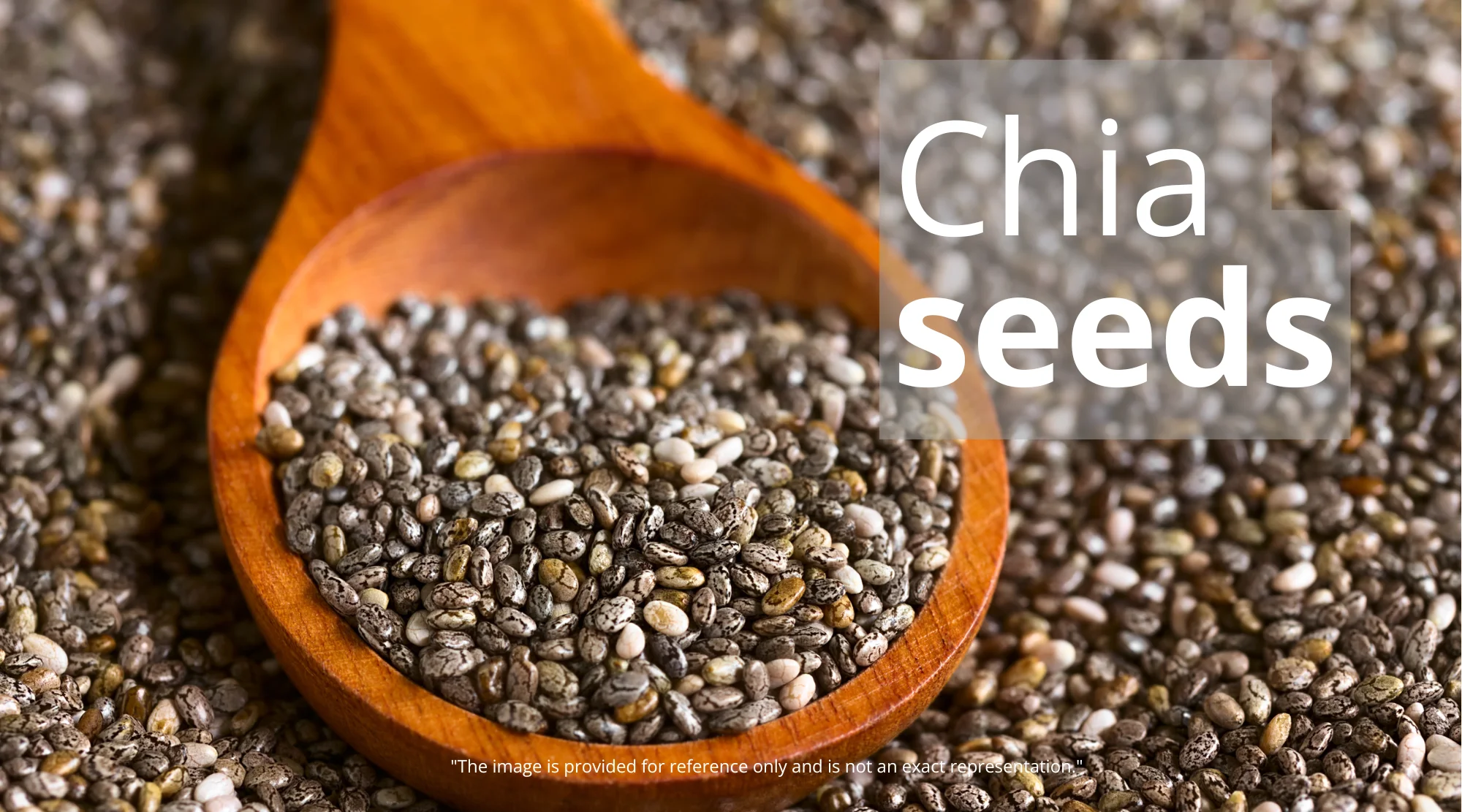
- Nuts and seeds (almonds, walnuts, chia seeds, flaxseeds)
- Olive oil
- Fatty fish (salmon, mackerel, tuna)
- Egg yolks
Dosage and Individual Needs: What to Consider
The recommended daily intake of vitamin D varies depending on age, lifestyle, and health conditions. Consulting with a healthcare professional is essential to determine the appropriate dosage for your individual needs. While many adults benefit from a daily dose of 600-800 IU (International Units), some may require higher doses, especially if they have a diagnosed deficiency. [Link to a government health website on vitamin D dosage.]
Factors influencing your vitamin D needs include:
- Age: Older adults often have reduced vitamin D production and absorption.
- Skin pigmentation: Darker skin requires more sun exposure to produce vitamin D.
- Geographic location: Living in northern latitudes with limited sunlight.
- Diet: Insufficient intake of vitamin D-rich foods.
- Medical conditions: Certain conditions, such as Crohn’s disease or celiac disease, can interfere with vitamin D absorption.
Potential Interactions and Warnings
While vitamin D is generally safe, it’s crucial to be aware of potential interactions with other medications or supplements. High doses of vitamin D can interact with certain drugs, such as:
- Steroids: Can reduce vitamin D absorption.
- Weight-loss drugs: Some can decrease vitamin D absorption.
- Digoxin: Vitamin D can increase the risk of digoxin toxicity.
- Thiazide diuretics: Can increase calcium levels, potentially leading to hypercalcemia when combined with high-dose vitamin D.
It’s also important to note that excessive vitamin D intake can lead to hypercalcemia, a condition characterized by high levels of calcium in the blood. Symptoms of hypercalcemia include nausea, vomiting, weakness, and frequent urination.
Always consult with your doctor or pharmacist before starting any new supplement regimen, especially if you are taking other medications or have underlying health conditions.
Recognizing the Signs You Might Need Vitamin D
Many people are unaware that they have a vitamin D deficiency. Recognizing the signs and symptoms can prompt you to seek testing and treatment if necessary. Common indicators of a vitamin D deficiency include:
- Fatigue and weakness: Persistent tiredness, even after adequate rest.
- Bone pain: Aching or tenderness in the bones.
- Muscle weakness: Difficulty with everyday activities.
- Frequent infections: A weakened immune system leading to increased susceptibility to illness.
- Depression or mood changes: Vitamin D plays a role in mood regulation.
If you experience any of these symptoms, consider getting your vitamin D levels checked by a healthcare professional. A simple blood test can determine whether you are deficient and require supplementation.
Beyond Supplements: Natural Sources of Vitamin D
While supplements are a convenient way to boost your vitamin D levels, incorporating natural sources into your diet is equally important. Foods rich in vitamin D include:
- Fatty fish: Salmon, mackerel, tuna, and sardines are excellent sources.
- Egg yolks: Contain a moderate amount of vitamin D.
- Fortified foods: Milk, yogurt, orange juice, and cereals are often fortified with vitamin D.
- Mushrooms: Certain types, like maitake mushrooms, naturally contain vitamin D when exposed to UV light.
Furthermore, spending time outdoors in the sun is a natural way to produce vitamin D. Aim for 15-20 minutes of sun exposure daily, without sunscreen, when possible. However, it’s essential to balance sun exposure with the need to protect your skin from harmful UV rays.
The Takeaway: Consistency and Informed Choices
Determining the “best” time to take vitamin D supplements ultimately comes down to personal preference and consistency. There’s no definitive scientific consensus on whether morning, noon, or night is superior. The key is to choose a time that you can reliably stick to each day and to take your supplement with a meal containing healthy fats to enhance absorption.
Prioritize consulting with a healthcare professional to determine the appropriate dosage for your individual needs and to rule out any potential interactions with other medications or supplements. By making informed choices and prioritizing consistency, you can effectively harness the many health benefits of vitamin D. Also, read “Eggs Per Day: How Many Can You Eat Safely? Cholesterol Facts” for a better understanding of your diet.










1 comment