How Much Fiber Do You Need Daily? A Comprehensive Guide
Are you getting enough fiber in your diet? For optimal health, understanding your daily fiber needs is crucial. This comprehensive guide breaks down the recommended daily intake, the incredible benefits of fiber, delicious food sources, and practical tips to seamlessly incorporate more of this essential nutrient into your meals. We’ll also explore potential risks of too much fiber and how to avoid them. So, let’s dive into the world of fiber and unlock its secrets to a healthier you!
Why Fiber Matters: The Health Benefits
Dietary fiber is more than just roughage; it’s a powerhouse nutrient with a wide range of health benefits. From digestive health to weight management and chronic disease prevention, fiber plays a vital role in keeping you healthy and feeling your best.
Digestive Health: Fiber is essential for maintaining a healthy digestive system. It adds bulk to the stool, preventing constipation and promoting regular bowel movements. This helps reduce the risk of hemorrhoids and diverticulitis. Bathroom Habits & Hemorrhoids: The Surprising Link You Need to Know
Weight Management: Fiber-rich foods are typically more filling than processed foods, helping you feel satisfied longer and preventing overeating. Fiber also slows down the absorption of sugar, which can help regulate blood sugar levels and prevent cravings. Debunking Weight Loss Myths: Calories, Fat & Exercise Secrets Revealed
Heart Health: Soluble fiber, found in foods like oats, beans, and apples, can help lower cholesterol levels. This, in turn, reduces the risk of heart disease and stroke. Clogged Arteries: Unveiling the Causes, Risks, and Proven Prevention Strategies
Blood Sugar Control: Fiber helps regulate blood sugar levels by slowing down the absorption of glucose into the bloodstream. This is especially important for people with diabetes or at risk of developing the condition.
Cancer Prevention: Studies have shown that a high-fiber diet may reduce the risk of certain types of cancer, including colorectal cancer. Aspirin for Colorectal Cancer: New Study Reveals Reduced Recurrence Risk
Recommended Daily Fiber Intake
So, how much fiber should you aim for each day? The recommended daily intake varies depending on age, sex, and overall health.
- Adult Men (under 50): 38 grams
- Adult Women (under 50): 25 grams
- Men (over 50): 30 grams
- Women (over 50): 21 grams
It’s important to note that these are general guidelines. Individual needs may vary. If you have any specific health concerns, consult with a healthcare professional or registered dietitian to determine the right amount of fiber for you. External Link: The Mayo Clinic’s Recommendations for Daily Fiber Intake
Top Food Sources of Fiber
Incorporating fiber-rich foods into your diet is easier than you might think. Here are some excellent sources to get you started:
- Fruits: Apples, bananas, berries, pears, oranges
- Vegetables: Broccoli, Brussels sprouts, carrots, sweet potatoes, spinach
- Legumes: Beans, lentils, chickpeas
- Whole Grains: Oats, quinoa, brown rice, whole-wheat bread
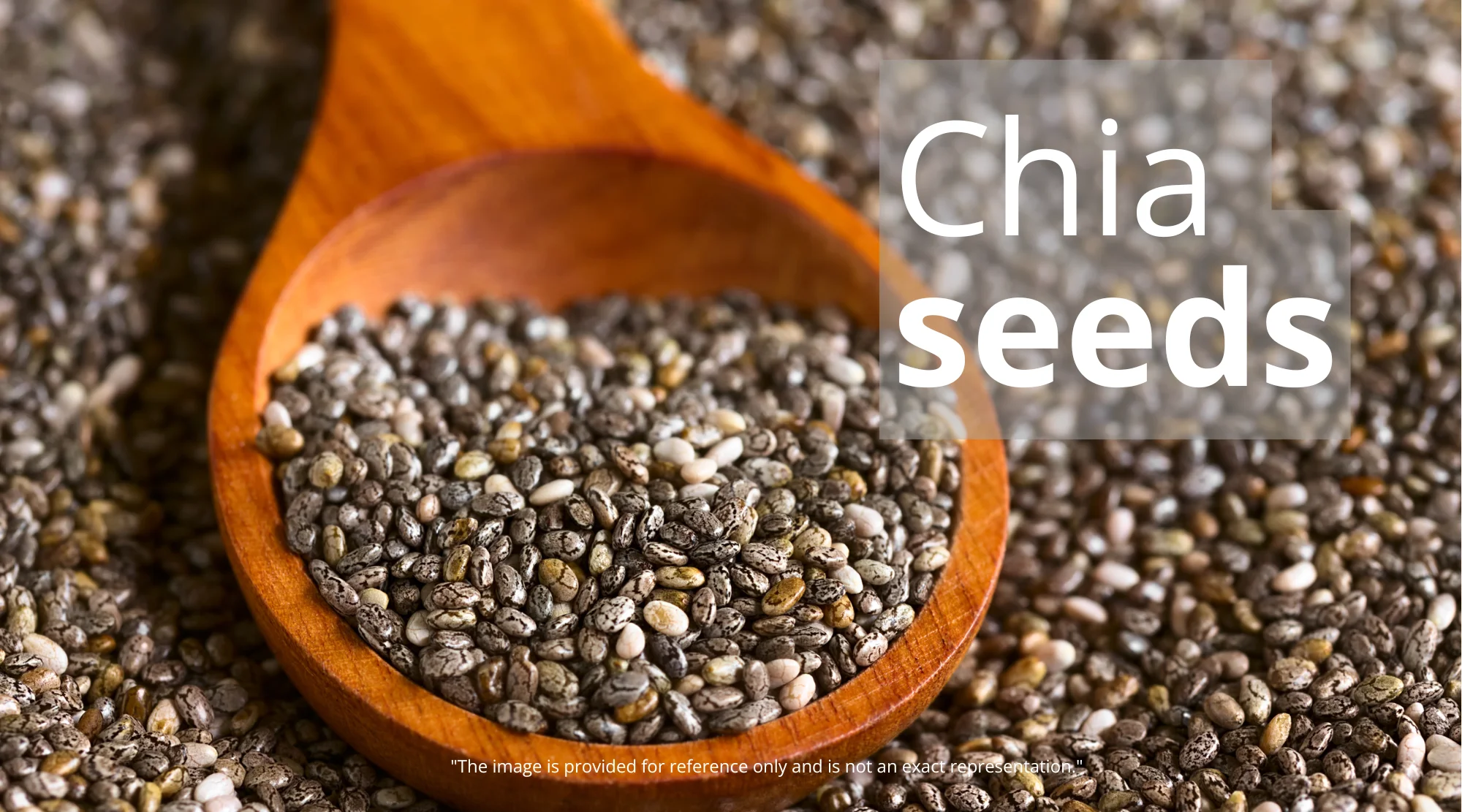
- Nuts and Seeds: Almonds, chia seeds, flaxseeds
Practical Tips for Increasing Fiber Intake
Making gradual changes to your diet is the best way to increase your fiber intake comfortably. Here are some simple tips to get you started:
- Start your day with a high-fiber breakfast: Choose oatmeal, whole-grain cereal, or a smoothie with added fruits and seeds.
- Add beans to your meals: Incorporate beans into soups, salads, or as a side dish.
- Snack on fruits and vegetables: Keep pre-cut fruits and vegetables on hand for a healthy and convenient snack.
- Choose whole grains over refined grains: Opt for whole-wheat bread, brown rice, and quinoa instead of white bread and white rice.
- Read food labels: Pay attention to the fiber content of packaged foods and choose products with at least 3 grams of fiber per serving.
The “Fibermaxxing” Trend: Is It Right for You?
Recently, a trend called “fibermaxxing” has emerged, particularly among Gen Z. This involves intentionally consuming very high amounts of fiber to achieve various health benefits, including improved digestion, weight loss, and better skin. However, it’s crucial to approach this trend with caution.
While increasing fiber intake is generally beneficial, drastically increasing it overnight can lead to unpleasant side effects such as bloating, gas, and abdominal discomfort. It’s essential to increase fiber intake gradually and drink plenty of water to help your body adjust. Also, remember to listen to your body’s signals. If you experience discomfort, slow down and adjust your intake accordingly.
Potential Risks of Too Much Fiber
While fiber is generally safe, consuming excessive amounts can lead to adverse effects. These include:
- Bloating and Gas: Rapidly increasing fiber intake can cause gas, bloating, and abdominal discomfort.
- Nutrient Malabsorption: High fiber intake can interfere with the absorption of certain nutrients, such as iron, zinc, and calcium.
- Dehydration: Fiber absorbs water, so it’s important to drink plenty of fluids to prevent dehydration.
- Intestinal Blockage: In rare cases, very high fiber intake can lead to intestinal blockage, especially in people with pre-existing digestive issues.
How to Avoid the Pitfalls of High-Fiber Consumption
To avoid the potential risks of high-fiber consumption, follow these simple guidelines:
- Increase fiber intake gradually: Allow your body time to adjust to the increased fiber.
- Drink plenty of water: Aim for at least eight glasses of water per day.
- Choose a variety of fiber-rich foods: This ensures you’re getting a balanced mix of nutrients.
- Listen to your body: If you experience discomfort, reduce your fiber intake.
- Consult with a healthcare professional: If you have any underlying health conditions, talk to your doctor before making significant changes to your diet.
The Bottom Line: Finding Your Fiber Sweet Spot
Fiber is an essential nutrient that plays a vital role in maintaining overall health. By understanding your daily fiber needs, incorporating fiber-rich foods into your diet, and increasing your intake gradually, you can reap the numerous benefits of this nutrient without experiencing any adverse effects. Remember to listen to your body, drink plenty of water, and consult with a healthcare professional if you have any concerns. Embrace the power of fiber and unlock a healthier, happier you! Consider also adding a probiotic to your diet.













3 comments