Boost Your Bone Health: A Guide to High-Calcium Food Options
Worried about bone loss and maintaining strong, healthy bones? One of the most impactful steps you can take is to incorporate high-calcium food options into your daily diet. Calcium is an essential mineral crucial for bone density, nerve function, muscle contraction, and even blood clotting. This article will explore the best dietary sources of calcium, how to maximize absorption, and lifestyle factors that support optimal bone health. Discover how simple dietary changes can make a significant difference in your long-term well-being and help prevent conditions like osteoporosis. Let’s dive into the world of calcium-rich foods and unlock the secrets to stronger bones!
Understanding Calcium and Bone Health
Calcium is not just about strong bones; it plays a vital role in numerous bodily functions. When calcium intake is insufficient, the body begins to draw calcium from the bones to maintain these other crucial functions. Over time, this calcium depletion can lead to decreased bone density and increased risk of fractures. Therefore, understanding the importance of calcium and prioritizing its intake through high-calcium food options or supplements is essential for overall health.
Our bones are constantly being remodeled, a process where old bone tissue is broken down and replaced with new tissue. This remodeling is influenced by factors like age, physical activity, hormonal balance, and, crucially, dietary calcium intake. As we age, the rate of bone breakdown can exceed the rate of bone formation, leading to bone loss and increased risk of osteoporosis.
Dairy Delights: Classic Calcium Sources
Dairy products are often the first foods that come to mind when thinking about calcium. Milk, cheese, and yogurt are excellent sources, providing a readily absorbable form of calcium. A single serving of yogurt can provide a substantial portion of your daily calcium needs. Opt for low-fat or non-fat varieties to reduce saturated fat intake while still reaping the benefits of calcium.
However, it’s important to note that not everyone can tolerate dairy. Lactose intolerance, a common condition, can cause digestive discomfort after consuming dairy products. Fortunately, there are many non-dairy high-calcium food options available to meet your calcium needs. It is also good to consider Is Whole Milk Good for You? The Truth About Full-Fat Dairy: https://befullbehealth.com/2025/is-whole-milk-good-for-you-the-truth-about-full-fat-dairy/
Leafy Greens: A Plant-Based Powerhouse
Leafy green vegetables are an excellent plant-based source of calcium. Kale, collard greens, turnip greens, and bok choy are particularly rich in calcium. While the calcium in some leafy greens may not be as readily absorbed as that in dairy, they offer a host of other essential nutrients, including vitamins, minerals, and fiber.
To enhance calcium absorption from leafy greens, try cooking them. Cooking breaks down the oxalic acid found in some greens, which can inhibit calcium absorption. Incorporate these greens into your salads, smoothies, or side dishes for a calcium boost. For even greater health benefits consider including Easy Anti-Inflammatory Dinners: Delicious Recipes for Better Health: https://befullbehealth.com/2025/easy-anti-inflammatory-dinners-delicious-recipes-for-better-health/.
Fortified Foods: A Convenient Calcium Boost
Many food products are fortified with calcium, providing a convenient way to increase your intake. Fortified cereals, juices, plant-based milks (almond, soy, oat), and tofu are examples of foods often enriched with calcium. Always check the nutrition label to determine the amount of calcium per serving.
These fortified foods can be particularly beneficial for individuals who have dietary restrictions or preferences, such as vegans or those with lactose intolerance. However, it’s important to choose fortified foods that are also low in added sugars and unhealthy fats to maximize their health benefits.
Seafood Sensations: Calcium from the Sea
Certain types of seafood, particularly canned sardines and salmon with bones, are excellent sources of calcium. The small, soft bones in these canned fish are easily consumed and provide a significant amount of calcium. They are also a great source of omega-3 fatty acids, which are beneficial for heart health and brain function.
Incorporate these seafood options into your diet by adding them to salads, sandwiches, or pasta dishes. Aim for at least two servings of fatty fish per week to reap the combined benefits of calcium and omega-3s. You may also consider reading Fish Oil & Cancer: Does It Really Help? What You Need To Know: https://befullbehealth.com/2025/fish-oil-cancer-does-it-really-help-what-you-need-to-know/
Nuts and Seeds: Small but Mighty Calcium Sources
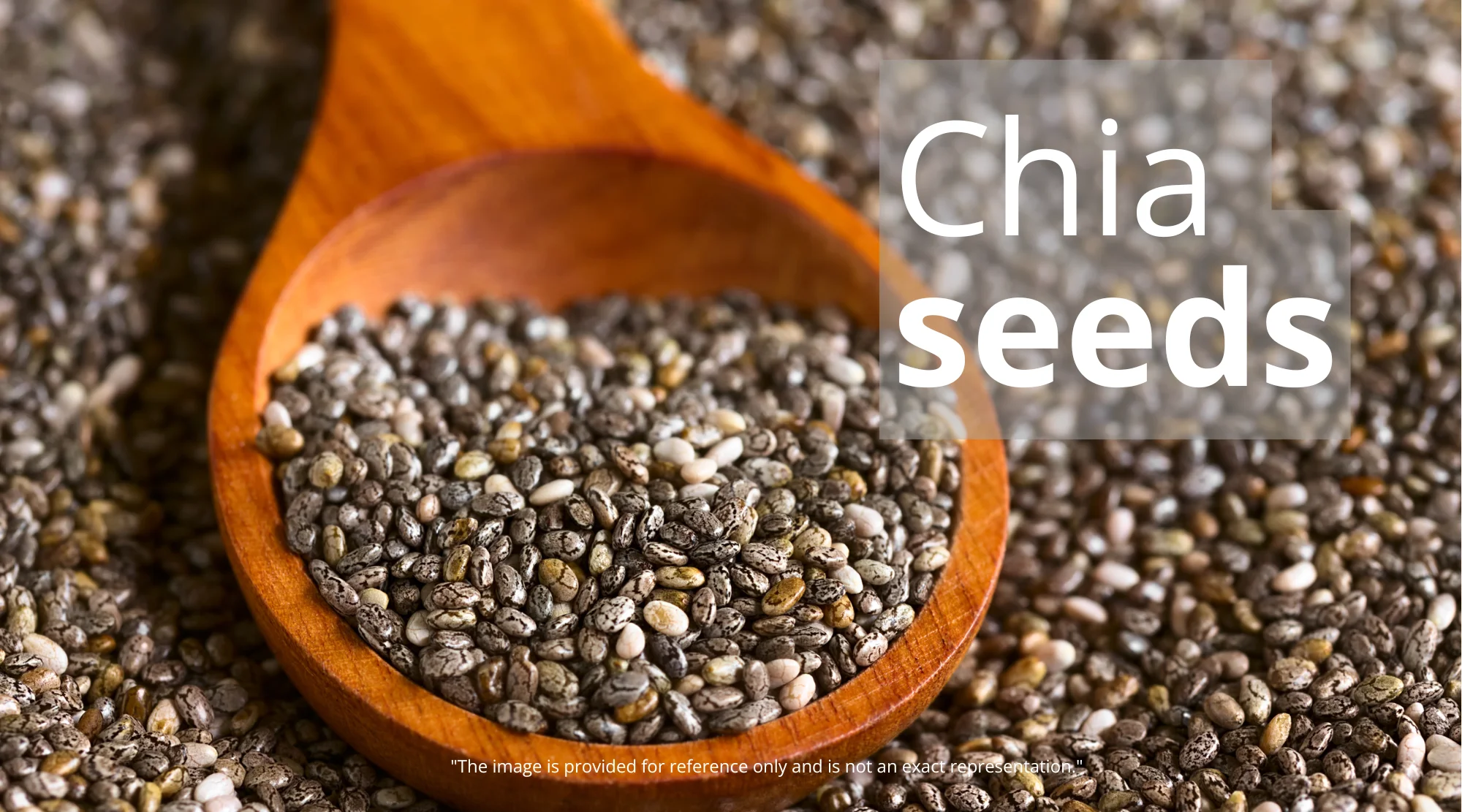
Nuts and seeds, while often overlooked, can contribute to your daily calcium intake. Almonds, sesame seeds, chia seeds, and sunflower seeds are good sources of calcium, as well as healthy fats, protein, and fiber. Sprinkle them on your salads, yogurt, or oatmeal, or enjoy them as a snack throughout the day.
These nutrient-dense foods also offer a range of other health benefits. Almonds, for example, are rich in vitamin E, while chia seeds are an excellent source of omega-3 fatty acids and antioxidants. Eating Chia Seeds: The Ultimate Guide to Safe Consumption and Nutritional Benefits: https://befullbehealth.com/2025/chia-seeds-the-ultimate-guide-to-safe-consumption-and-nutritional-benefits/ will help you determine if this is the right calcium source for you.
Factors Affecting Calcium Absorption
Calcium absorption is influenced by several factors, including vitamin D levels, age, and the presence of certain compounds in food. Vitamin D plays a crucial role in helping the body absorb calcium from the digestive tract. Therefore, ensuring adequate vitamin D intake is essential for maximizing calcium absorption. It may also be beneficial to read Best Time to Take Vitamin D: Maximize Absorption and Benefits: https://befullbehealth.com/2025/best-time-to-take-vitamin-d-maximize-absorption-and-benefits/
As we age, our ability to absorb calcium tends to decrease. This is one of the reasons why older adults are at a higher risk of calcium deficiency and osteoporosis. Consuming high-calcium food options and maintaining adequate vitamin D levels are particularly important for this age group.
Lifestyle Choices for Stronger Bones
In addition to diet, certain lifestyle choices can significantly impact bone health. Regular weight-bearing exercise, such as walking, running, and weightlifting, helps to stimulate bone formation and increase bone density. Avoiding smoking and limiting alcohol consumption are also important for maintaining healthy bones. You can also boost brain health by reading Retro Walking: Boost Brain Health & Prevent Dementia with This Trend!: https://befullbehealth.com/2025/retro-walking-boost-brain-health-prevent-dementia-with-this-trend/.
Maintaining a healthy weight is also crucial for bone health. Being underweight can increase the risk of bone loss, while being overweight can put excessive stress on the bones and joints.
Supplements: When Are They Necessary?
While obtaining calcium from high-calcium food options is generally preferred, supplements may be necessary for individuals who are unable to meet their calcium needs through diet alone. Certain medical conditions, such as Crohn’s disease or celiac disease, can also impair calcium absorption, making supplements a helpful option.
If you are considering taking calcium supplements, it is important to consult with your healthcare provider to determine the appropriate dosage and form of calcium. Taking too much calcium can lead to side effects, such as kidney stones, so it’s essential to follow recommended guidelines.
The Role of Vitamin K2
Vitamin K2 is another essential nutrient for bone health. It helps to direct calcium to the bones, preventing it from accumulating in the arteries and soft tissues. Foods rich in vitamin K2 include fermented foods like natto, cheese, and sauerkraut. Ensuring adequate vitamin K2 intake can further enhance the benefits of calcium for bone health.
While vitamin K2 supplements are available, obtaining it through dietary sources is often the most effective way to ensure optimal intake.
Building a Calcium-Rich Meal Plan
Creating a meal plan that incorporates a variety of high-calcium food options can help you meet your daily calcium needs. Start your day with a fortified cereal or yogurt with nuts and seeds. Include leafy greens in your lunch and dinner, and opt for calcium-rich snacks like almonds or cheese.
Varying your calcium sources is essential for obtaining a wide range of nutrients. Don’t rely solely on dairy or fortified foods; incorporate a diverse range of plant-based and seafood options to optimize your overall health.
Debunking Calcium Myths
There are many myths surrounding calcium and bone health. One common misconception is that only dairy products can provide adequate calcium. As we’ve discussed, there are numerous plant-based and fortified options that can meet your calcium needs.
Another myth is that calcium supplements are always necessary for maintaining bone health. While supplements can be helpful for some individuals, they are not a substitute for a healthy diet and lifestyle. Focus on obtaining calcium from high-calcium food options whenever possible, and consult with your healthcare provider before starting any supplements.
Long-Term Benefits of Adequate Calcium Intake
Prioritizing calcium intake throughout your life can have significant long-term benefits for bone health and overall well-being. Stronger bones reduce the risk of fractures and osteoporosis, allowing you to maintain an active and independent lifestyle as you age.
Adequate calcium intake also supports healthy nerve function, muscle contraction, and blood clotting, contributing to overall health and vitality. By making informed dietary choices and adopting healthy lifestyle habits, you can protect your bones and enjoy a healthier, more active life.
The NIH offers more information about calcium. [ NIH: https://ods.od.nih.gov/factsheets/Calcium-HealthProfessional/]
By understanding the importance of calcium and incorporating high-calcium food options into your diet, you can take proactive steps to protect your bones and overall health. Remember that calcium is just one piece of the puzzle; a balanced diet, regular exercise, and healthy lifestyle choices are all essential for maintaining strong, healthy bones throughout your life.













Post Comment