Are you unknowingly adding years to your appearance? Subtle posture mistakes can silently age you. Learn to correct these common errors and reclaim a more youthful and confident you. Discover the secrets to better posture and a younger-looking you today.
Good posture isn’t just about aesthetics; it’s a cornerstone of overall health and wellbeing. Poor posture can lead to a cascade of problems, from back pain and headaches to reduced lung capacity and even digestive issues. But perhaps one of the most overlooked consequences of slouching and other postural errors is their impact on our perceived age.
This article will explore common posture mistakes that can inadvertently make you look older. By understanding these errors and implementing corrective strategies, you can not only improve your physical health but also project a more youthful and vibrant image.
The Silent Agers: Posture Mistakes That Add Years
We often associate aging with wrinkles, gray hair, and sagging skin. While these are undeniable signs of the passage of time, our posture plays a surprisingly significant role in how old we appear to others. Subconscious cues, like a rounded back or slumped shoulders, can instantly add years to your perceived age. Here’s a breakdown of some common posture mistakes and how they contribute to an older appearance:
1. The Slouch: Rounded Shoulders and Forward Head
The slouch is perhaps the most recognizable posture mistake. It’s characterized by rounded shoulders, a forward head posture (where your head juts forward), and a rounded upper back. This posture compresses the chest, restricts breathing, and can lead to neck and shoulder pain.
From an aesthetic perspective, the slouch makes you look shorter and less confident. It creates the appearance of a “dowager’s hump” (kyphosis) and emphasizes wrinkles in the neck and chest. Correcting the slouch involves strengthening the back muscles and stretching the chest muscles. Consider incorporating exercises like rows, reverse flyes, and chest stretches into your routine. Mindful Movement can help improve posture and flexibility.
2. The Swayback: Exaggerated Lower Back Curve
The swayback posture involves an excessive curve in the lower back, causing the pelvis to tilt forward and the abdomen to protrude. This posture can lead to lower back pain and stiffness, as well as hip and knee problems.
Visually, the swayback can make you look like you have a “potbelly,” even if you’re not overweight. It also throws off the alignment of the spine, which can affect your gait and balance. To correct the swayback, focus on strengthening your core muscles (abdominals and lower back) and stretching your hip flexors. Pilates, which focuses on core strength and flexibility, can be beneficial. Try the Sculpt Your Core & Boost Flexibility: The Ultimate 30-Day Pilates Challenge for guidance.
3. The Hunch: Upper Back Curvature
The hunch, also known as kyphosis, is an excessive curvature of the upper back. This posture is often caused by prolonged sitting, poor ergonomics, and weak back muscles. The hunch can lead to upper back pain, stiffness, and breathing difficulties.
Aesthetically, the hunch creates a stooped appearance, making you look older and less energetic. It also compresses the chest and restricts the movement of the shoulders. Correcting the hunch requires strengthening the back muscles, stretching the chest muscles, and improving your posture awareness. Exercises like wall slides, chin tucks, and scapular squeezes can be helpful.
4. The Tech Neck: Craning Your Neck at Devices
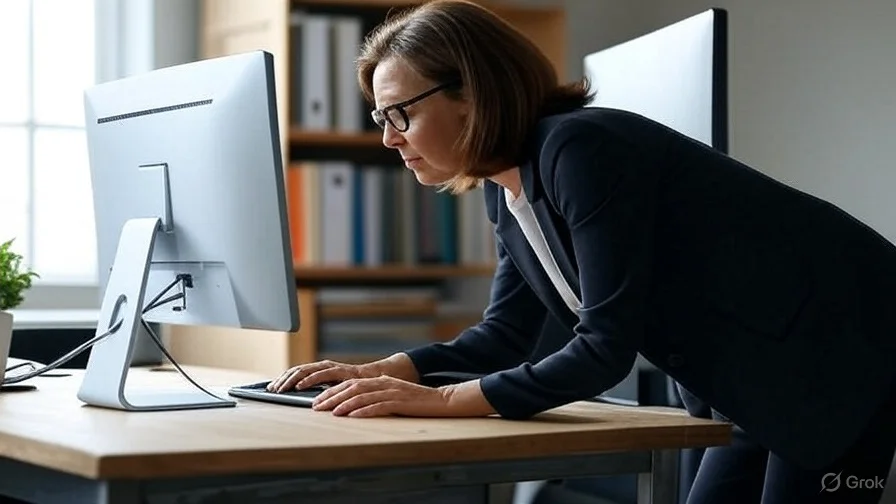
In today’s digital age, “tech neck” is becoming increasingly prevalent. This posture involves craning your neck forward to look at your phone, tablet, or computer screen. Over time, this can lead to neck pain, headaches, and even nerve damage.
The tech neck posture also contributes to wrinkles in the neck and a double chin. It strains the muscles in the neck and shoulders, leading to tension and stiffness. To combat tech neck, hold your devices at eye level, take frequent breaks to stretch your neck and shoulders, and practice good posture habits. Consider limiting screen time to reduce the strain. Smartphone Addiction can negatively impact mental health and lead to poor posture.
5. The Stiff Upper Body: Lack of Flexibility
A lack of flexibility in the spine and surrounding muscles can also contribute to poor posture. When your muscles are tight, they restrict your movement and make it difficult to maintain proper alignment. This can lead to stiffness, pain, and an aged appearance.
To improve flexibility, incorporate regular stretching and mobility exercises into your routine. Yoga, Pilates, and tai chi are all excellent options for improving flexibility and posture. Gentle stretches like cat-cow pose, spinal twists, and hamstring stretches can help to release tension and improve your range of motion.
6. The Immobile Shoulder: Rotator Cuff Problems
Shoulder problems can negatively impact your posture. The rotator cuff is a group of muscles and tendons that surround the shoulder joint, providing stability and enabling a wide range of motion. Injuries or weakness in the rotator cuff can lead to pain, stiffness, and limited mobility, all of which can affect your posture.

For example, if you have difficulty rotating your arm externally, you may compensate by rounding your shoulders forward, which can contribute to the slouch posture. To address shoulder issues and improve posture, consult with a physical therapist or healthcare professional. They can assess your condition and recommend appropriate exercises and treatments.
7. The Hip Hike: Uneven Hips
This posture issue involves one hip being higher than the other, leading to an imbalance in the spine and surrounding muscles. This can be caused by various factors, including muscle imbalances, leg length discrepancies, or scoliosis. The hip hike can lead to lower back pain, hip pain, and even knee pain. It can also affect your gait and balance.
Visually, a hip hike can make your clothes fit unevenly and create the appearance of a tilted torso. To correct a hip hike, it’s essential to identify the underlying cause and address any muscle imbalances. Exercises like pelvic tilts, hip flexor stretches, and side planks can help to strengthen and stabilize the hips.
Reclaiming Your Youthful Posture: Practical Steps
Now that we’ve identified common posture mistakes, let’s discuss practical steps you can take to correct them and reclaim a more youthful and confident posture:
1. Posture Awareness: Be Mindful of Your Body
The first step towards improving your posture is to become more aware of your body. Pay attention to how you sit, stand, and move throughout the day. Ask yourself: Are my shoulders rounded? Is my head forward? Am I slouching? By being mindful of your posture, you can begin to identify and correct any bad habits.
2. Ergonomics: Optimize Your Workspace
Your workspace can have a significant impact on your posture. Ensure that your chair is properly adjusted, your computer screen is at eye level, and your keyboard and mouse are within easy reach. Take frequent breaks to stand up, stretch, and move around. A well-designed ergonomic setup can help you maintain good posture and prevent strain.
3. Exercise: Strengthen Your Core and Back
Strengthening your core and back muscles is crucial for supporting your spine and maintaining good posture. Incorporate exercises like planks, bridges, rows, and back extensions into your routine. These exercises will help to improve your muscle strength and endurance, making it easier to maintain proper alignment. Transform Your Health by exercising regularly.
4. Stretching: Improve Flexibility and Range of Motion
Regular stretching can help to improve your flexibility and range of motion, making it easier to maintain good posture. Focus on stretching the muscles that tend to become tight, such as the chest, shoulders, hip flexors, and hamstrings. Hold each stretch for 20-30 seconds and repeat several times.
5. Posture Correction Devices: Consider Support
While not a long-term solution, posture correction devices can provide temporary support and help you become more aware of your posture. These devices typically consist of straps that pull your shoulders back and encourage you to stand up straight. However, it’s important to use these devices in conjunction with exercise and stretching to address the underlying muscle imbalances.
6. Professional Help: Consult a Physical Therapist
If you’re struggling to correct your posture on your own, consider consulting a physical therapist. A physical therapist can assess your posture, identify any underlying issues, and develop a customized treatment plan to address your specific needs. They can also teach you exercises and stretches to improve your posture and alleviate pain.
7. Mindful Movement: Incorporate Activities Like Yoga
Activities like yoga, tai chi, and Pilates can be incredibly beneficial for improving posture. These practices focus on strengthening the core, improving flexibility, and increasing body awareness. By incorporating mindful movement into your routine, you can develop better posture habits and reduce your risk of pain and injury.
The Ripple Effect: Health Benefits Beyond Aesthetics
Improving your posture offers a wide range of health benefits beyond aesthetics. Good posture can:
- Reduce back pain, neck pain, and headaches
- Improve breathing and lung capacity
- Boost energy levels
- Enhance confidence and self-esteem
- Reduce stress and tension
- Improve digestion
- Promote better balance and coordination
By making a conscious effort to improve your posture, you can significantly enhance your overall health and well-being. Consider integrating a Mediterranean diet meal plan into your routine for overall health improvement.
The Takeaway: Stand Tall, Live Younger
Posture mistakes can silently add years to your appearance, impacting your confidence and overall well-being. By becoming aware of these errors and taking proactive steps to correct them, you can reclaim a more youthful and vibrant posture. Remember, good posture is not just about aesthetics; it’s a cornerstone of overall health. Stand tall, embrace mindful movement, and prioritize your postural health for a longer, healthier, and more confident life. Don’t forget to explore other wellness tips for a better you.
External Links:
1. Mayo Clinic – Posture: https://www.mayoclinic.org/healthy-lifestyle/adult-health/expert-answers/posture/faq-20058092
2. Cleveland Clinic – Good Posture: https://my.clevelandclinic.org/health/articles/4414-posture
3. National Institutes of Health – Back Pain: https://www.niams.nih.gov/health-topics/back-pain














Post Comment