Embark on a journey to boost your brainpower and mobility with retro walking, a novel exercise trend gaining traction for its potential to enhance cognitive function and overall well-being. As research highlights the crucial connection between physical activity and brain health, retro walking, or walking backward, emerges as a simple yet effective way to challenge your body and mind simultaneously. This guide delves into the science behind retro walking, its numerous benefits, and practical tips for incorporating it into your daily routine.
Unveiling Retro Walking: A Step Back in Time for Better Health
Retro walking, also known as backward walking, involves walking in reverse instead of the conventional forward motion. While it might seem unconventional, this practice offers a unique set of advantages for your physical and cognitive health.
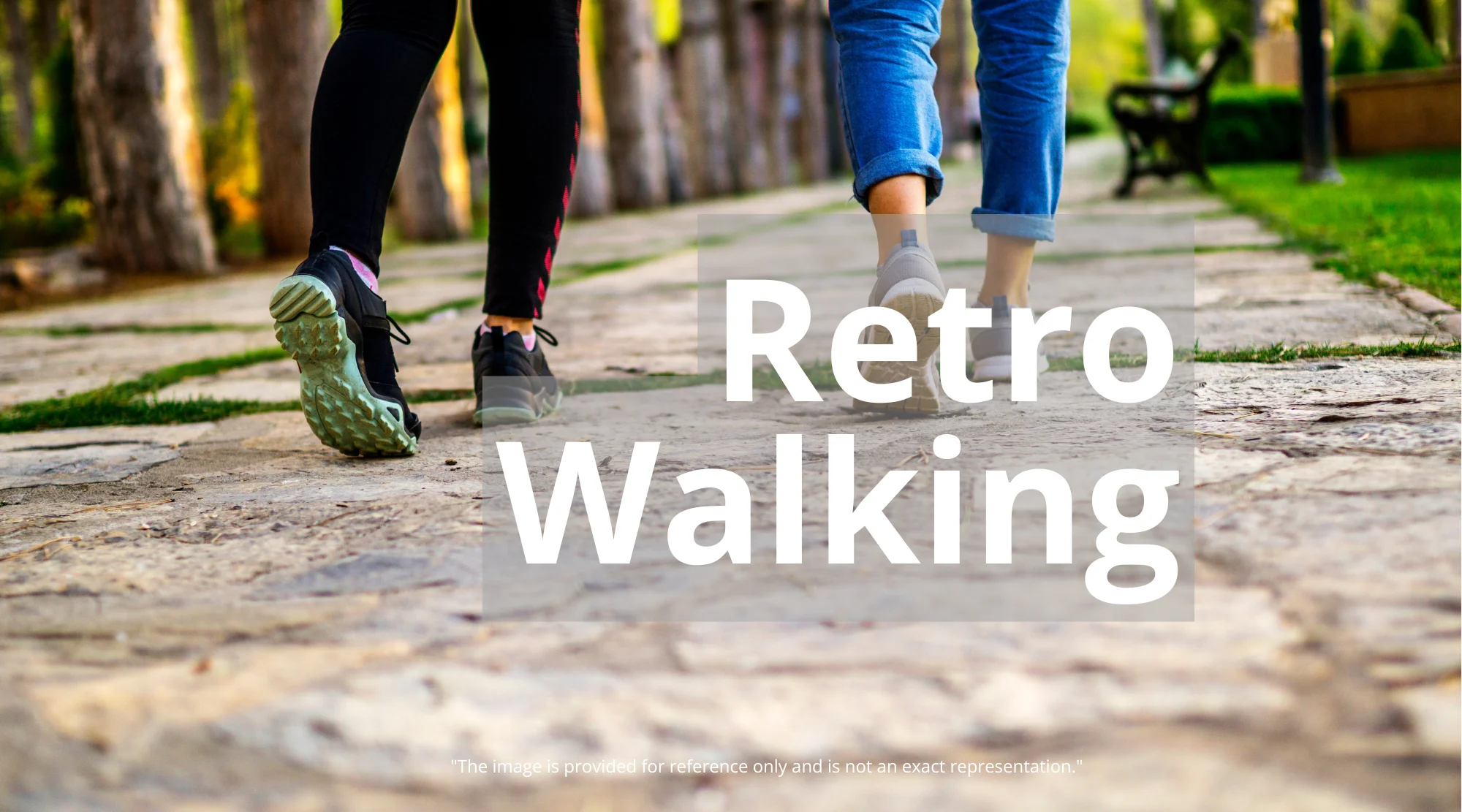
The concept is simple: by reversing your usual walking pattern, you engage different muscle groups, challenge your balance, and stimulate your brain in new ways. This can lead to improved coordination, enhanced spatial awareness, and even potential benefits for memory and cognitive function.
The Science Behind Retro Walking and Brain Health
Emerging research suggests a compelling link between retro walking and improved brain health. Walking backward requires increased concentration and coordination, activating different areas of the brain compared to forward walking. This heightened neural activity may help to strengthen cognitive pathways and improve overall brain function.
Studies have shown that activities that challenge the brain, such as learning a new skill or engaging in novel exercises, can help to build cognitive reserve, which is the brain’s ability to withstand damage and maintain function. Retro walking fits this description perfectly, offering a simple yet effective way to stimulate the brain and potentially reduce the risk of cognitive decline. For strategies to further boost cognitive function, explore our article on Brain Health: Proven Strategies to Protect Your Mind and Boost Cognitive Function.
Cognitive Benefits of Retro Walking
The benefits of retro walking extend beyond just physical fitness, offering significant advantages for your cognitive well-being.
Improved Memory: Backward walking requires you to recall and coordinate movements in a non-habitual way, potentially enhancing memory and recall abilities.
Enhanced Spatial Awareness: Navigating backward demands greater awareness of your surroundings, sharpening your spatial awareness and improving your sense of balance.
Increased Cognitive Flexibility: By challenging your brain to adapt to a new movement pattern, retro walking promotes cognitive flexibility, which is the ability to switch between different tasks or thought processes.
Potential Dementia Prevention: While more research is needed, some experts believe that the cognitive stimulation provided by retro walking may help to reduce the risk of dementia by strengthening neural connections and building cognitive reserve.
Physical Benefits of Walking Backward
Beyond the cognitive advantages, retro walking offers a range of physical benefits that can improve your overall health and fitness.
Strengthens Different Muscle Groups: Walking backward engages different muscle groups compared to forward walking, including the calves, shins, and quadriceps. This can help to improve muscle balance and reduce the risk of injury.
Improves Balance and Coordination: The act of walking backward requires increased balance and coordination, which can be particularly beneficial for older adults who are at risk of falls. A study published in the Journal of Geriatric Physical Therapy found that backward walking training improved balance and functional mobility in older adults. (External link to a relevant study or reputable source).
Reduces Knee Pain: Some studies suggest that retro walking may help to reduce knee pain by strengthening the muscles around the knee joint and improving joint stability.
Burns More Calories: Walking backward requires more energy than forward walking, leading to a higher calorie burn and potentially aiding in weight management. For more on managing your weight, see Debunking Weight Loss Myths: Calories, Fat & Exercise Secrets Revealed.
How to Incorporate Retro Walking into Your Routine
Adding retro walking to your exercise regimen is simple, but it’s important to start slowly and gradually increase the intensity and duration.
Start in a Safe Environment: Choose a flat, open space with no obstacles or hazards. A park, a gym, or even a wide hallway can be suitable.
Begin Slowly: Start by walking backward for short intervals, such as 5-10 minutes, and gradually increase the time as you become more comfortable.
Maintain Good Posture: Keep your back straight, your head up, and your eyes focused on your surroundings.
Use Your Arms for Balance: Swing your arms naturally to help maintain your balance and coordination.
Consider a Partner: If you’re new to retro walking, it can be helpful to have a partner walk alongside you for support and guidance.
Vary Your Routine: Alternate between forward and backward walking to engage different muscle groups and challenge your brain in different ways.
Listen to Your Body: Stop immediately if you experience any pain or discomfort.
Safety Precautions for Retro Walking
While retro walking offers numerous benefits, it’s essential to take precautions to avoid injuries.
- Choose a Safe Environment: As mentioned earlier, select a flat, open space free of obstacles.
- Wear Appropriate Footwear: Wear shoes that provide good support and traction.
- Avoid Distractions: Focus on your surroundings and avoid distractions like phones or headphones.
- Be Aware of Your Surroundings: Pay close attention to what’s behind you to avoid tripping or bumping into objects.
- Consult Your Doctor: If you have any underlying health conditions, such as balance problems or joint pain, consult your doctor before starting retro walking.
The Future of Retro Walking: Research and Potential Applications
As interest in retro walking grows, researchers are exploring its potential applications in various fields, including rehabilitation, sports training, and cognitive therapy.
Rehabilitation: Retro walking is being used in rehabilitation programs to help patients recover from injuries, improve balance, and regain mobility.
Sports Training: Athletes are incorporating backward walking into their training routines to improve agility, coordination, and muscle strength.
Cognitive Therapy: Researchers are investigating the potential of retro walking to improve cognitive function in individuals with cognitive impairment or dementia.
While more research is needed, the initial findings are promising, suggesting that retro walking could become a valuable tool for promoting physical and cognitive health.
Combining Retro Walking with Other Healthy Habits
To maximize the benefits of retro walking, it’s important to combine it with other healthy habits, such as a balanced diet, regular exercise, and sufficient sleep. Consider incorporating an Anti-Inflammatory Diets: Do They Really Work? The Science-Backed Truth into your daily routine to support overall health and well-being.
Balanced Diet: A healthy diet provides the nutrients your body needs to function optimally, including your brain. Focus on eating plenty of fruits, vegetables, whole grains, and lean protein.
Regular Exercise: In addition to retro walking, incorporate other forms of exercise into your routine, such as strength training, cardio, and flexibility exercises.
Sufficient Sleep: Aim for 7-8 hours of quality sleep each night to allow your body and brain to recover and rejuvenate.
Stress Management: Practice stress-reducing techniques, such as meditation, yoga, or spending time in nature, to protect your brain health and overall well-being.
By adopting a holistic approach to health and wellness, you can significantly improve your physical and cognitive function, and enjoy a longer, healthier life.
In conclusion, retro walking offers a simple yet powerful way to boost your brainpower and improve your physical health. By incorporating this unconventional exercise into your daily routine, you can challenge your body and mind simultaneously, potentially reducing your risk of cognitive decline and enhancing your overall well-being. Remember to start slowly, take precautions, and listen to your body. So, take a step back in time and experience the benefits of retro walking for yourself!










1 comment