Is Weight Loss Really About Calories, Fat, and Endless Exercise? Debunking the Myths
The world of weight loss is filled with conflicting advice and often, outright misinformation. Many people believe that simply counting calories, avoiding all fats, and spending hours on the treadmill is the key to shedding unwanted pounds. However, these are just a few of the pervasive myths surrounding weight loss. This article will debunk those myths and reveal what truly works for achieving sustainable and healthy weight loss. Learn about effective strategies that go beyond restrictive diets and excessive exercise.
The Calorie Counting Conundrum
The “calories in, calories out” model has been the cornerstone of weight loss advice for decades. While it’s true that a calorie deficit is necessary to lose weight, focusing solely on calorie counting overlooks the crucial role of food quality and hormonal responses.
Not all calories are created equal. A 100-calorie snack of processed sugar will affect your body differently than 100 calories of nutrient-dense vegetables. The latter provides essential vitamins, minerals, and fiber that promote satiety and overall health. The former, on the other hand, can lead to blood sugar spikes, increased cravings, and ultimately, more weight gain.
Furthermore, the body’s hormonal response to different foods can significantly impact weight loss. Processed foods, high in sugar and unhealthy fats, can disrupt hormone levels, leading to increased fat storage and decreased muscle mass. Prioritizing whole, unprocessed foods, on the other hand, helps regulate hormones and promote a healthier metabolism.
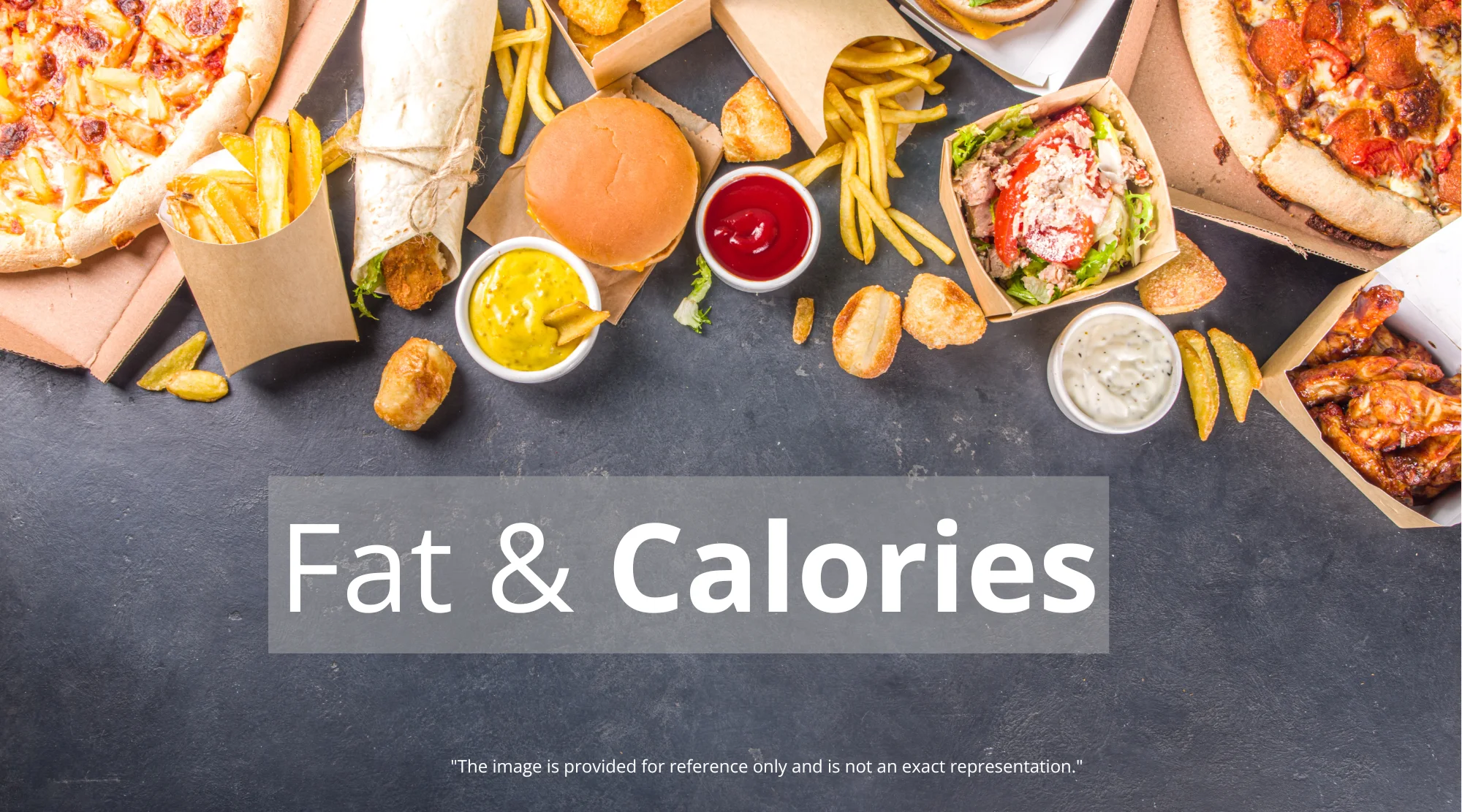
Fat Phobia: Why Avoiding All Fats is a Mistake
For years, fat has been demonized as the enemy of weight loss. However, eliminating all fats from your diet is not only unsustainable but also detrimental to your health. Healthy fats are essential for hormone production, cell function, and nutrient absorption.
Monounsaturated and polyunsaturated fats, found in foods like avocados, nuts, seeds, and olive oil, are particularly beneficial. These fats can help lower bad cholesterol levels, reduce inflammation, and improve insulin sensitivity. They also contribute to feelings of fullness, which can aid in weight management.
Moreover, some vitamins, such as A, D, E, and K, are fat-soluble, meaning they require fat for absorption. Eliminating fat from your diet can lead to nutrient deficiencies and negatively impact overall health. The key is to choose healthy fats in moderation and avoid processed foods high in trans fats. For more insights, explore “Is Whole Milk Good for You? The Truth About Full-Fat Dairy” on BeFullBeHealth.
Exercise Isn’t Just About Weight Loss
While physical activity is undoubtedly important for overall health, relying solely on exercise for weight loss can be discouraging. Exercise burns calories, but it also stimulates appetite, potentially leading to increased food intake.
Furthermore, the body adapts to exercise over time, becoming more efficient at burning calories. This means that you may need to increase the intensity or duration of your workouts to continue seeing results. While intense exercise can be beneficial, it can also increase cortisol levels, which, when chronically elevated, can lead to weight gain and other health issues.
Exercise should be viewed as a complement to a healthy diet, not the sole driver of weight loss. Focus on incorporating a variety of activities that you enjoy, such as walking, swimming, or dancing, and prioritize consistency over intensity. Also consider the impact of posture; read “Posture Mistakes: How They Silently Age You & Easy Fixes” for relevant information.
The Myth of the Quick Fix
The diet industry is saturated with products and programs that promise rapid weight loss. However, these quick-fix solutions are often unsustainable and can even be harmful to your health.
Crash diets and extreme calorie restriction can lead to muscle loss, metabolic slowdown, and nutrient deficiencies. When you drastically reduce your calorie intake, your body goes into starvation mode, conserving energy and burning fewer calories. This can make it even harder to lose weight in the long run.
Furthermore, rapid weight loss is often followed by rapid weight regain. When you return to your normal eating habits, your body is primed to store fat, leading to a yo-yo dieting cycle that can damage your metabolism and overall health. Sustainable weight loss requires a gradual, balanced approach that focuses on long-term lifestyle changes.
What Truly Works for Sustainable Weight Loss
So, if the traditional advice of calorie counting, fat avoidance, and excessive exercise isn’t the answer, what is? Here are some evidence-based strategies for achieving sustainable and healthy weight loss:
Prioritize Whole, Unprocessed Foods: Focus on filling your diet with fruits, vegetables, lean protein, and healthy fats. These foods are nutrient-dense, low in calories, and promote satiety.
Manage Stress Levels: Chronic stress can lead to increased cortisol levels, which can contribute to weight gain. Practice stress-reducing activities like yoga, meditation, or spending time in nature. You may also find assistance with “Mindful Movement: Unlock Your Inner Peace and Transform Your Health”.
Get Enough Sleep: Sleep deprivation can disrupt hormone levels and increase cravings for unhealthy foods. Aim for 7-8 hours of quality sleep per night. If sleep is an issue, check out “Magnesium for Sleep: Does It Really Work? Benefits, Myths & Science”.
Build Muscle Mass: Muscle tissue burns more calories than fat tissue, even at rest. Incorporate strength training exercises into your routine to build muscle and boost your metabolism. Consider exploring “Running and Muscle Loss: How to Maintain Muscle While Running | BeFullBeHealth”.
Practice Mindful Eating: Pay attention to your hunger and fullness cues and eat slowly and deliberately. Avoid distractions while eating and focus on savoring each bite.
Stay Hydrated: Drinking plenty of water can help you feel full and boost your metabolism. Aim for at least 8 glasses of water per day.
Seek Support: Working with a registered dietitian or certified personal trainer can provide you with personalized guidance and support.
Be Patient and Persistent: Sustainable weight loss takes time and effort. Don’t get discouraged by setbacks and focus on making gradual, sustainable changes to your lifestyle.
The Importance of a Holistic Approach to Weight Loss
Weight loss is not just about the numbers on the scale; it’s about improving your overall health and well-being. A holistic approach to weight loss considers all aspects of your life, including your diet, exercise habits, stress levels, and sleep patterns.
By focusing on making sustainable lifestyle changes that address all of these factors, you can achieve not only weight loss but also improved energy levels, better mood, and a reduced risk of chronic diseases. Remember that consistency and patience are key.
Conclusion: Embracing a Sustainable Path to a Healthier You
The pervasive myths surrounding calories, fat, and exercise often lead to frustration and disappointment. By understanding the complexities of weight loss and embracing a holistic approach that prioritizes whole foods, stress management, sleep, and mindful movement, you can achieve sustainable results and improve your overall health. Remember that weight loss is a journey, not a destination. Focus on making gradual, sustainable changes to your lifestyle and celebrate your progress along the way. Don’t let misinformation derail your journey to a healthier, happier you. Start with the fundamentals, and the results will follow.











Post Comment