Are you looking for a way to boost your energy levels and keep hunger at bay between meals? High-protein, high-fiber snacks could be your answer. These snacks not only provide sustained energy but also contribute to overall health and well-being. This article explores a variety of delicious and convenient options to incorporate into your daily routine. Learn how these power-packed snacks can help you feel full, energized, and ready to tackle whatever the day throws your way.
The Power Duo: High-Protein, High-Fiber Snacks
Snacking often gets a bad reputation, but when done right, it can be a valuable tool for maintaining a healthy lifestyle. The key is choosing snacks that offer nutritional benefits rather than empty calories. High-protein, high-fiber snacks are particularly effective because they work synergistically to keep you feeling satisfied and energized for longer periods. Fiber Intake: How Much Do You Really Need Daily? might give you some insight.
Protein is essential for building and repairing tissues, while fiber aids digestion and helps regulate blood sugar levels. Together, they slow down the absorption of nutrients, preventing the energy crashes that often follow sugary or processed snacks. This combination also promotes satiety, making you less likely to overeat at your next meal.
Why Choose High-Protein Snacks?
Protein is a macronutrient crucial for numerous bodily functions. It plays a vital role in muscle growth and repair, hormone production, and immune function. Including protein in your snacks helps maintain lean muscle mass, which is essential for metabolism and overall strength.
Furthermore, protein has a higher thermic effect than carbohydrates or fats, meaning your body burns more calories digesting it. This can contribute to weight management efforts. Good sources of protein for snacks include Greek yogurt, nuts, seeds, lean meats, and legumes. A 7-Day High-Protein Mediterranean Diet Meal Plan for Fall: Fuel Your Body! is an article with a high protein meal plan.
The Benefits of High-Fiber Snacks
Fiber, a type of carbohydrate that the body cannot digest, is another key component of healthy snacking. It adds bulk to your diet, promoting feelings of fullness and preventing constipation. Fiber also helps regulate blood sugar levels by slowing down the absorption of glucose, which can be particularly beneficial for individuals with diabetes or insulin resistance.
Moreover, fiber is linked to a reduced risk of heart disease, stroke, and certain types of cancer. Excellent sources of fiber for snacks include fruits, vegetables, whole grains, and legumes.
Delicious and Easy High-Protein, High-Fiber Snack Ideas
Now that you understand the benefits, let’s explore some practical and tasty high-protein, high-fiber snack options:
Greek Yogurt with Berries and Nuts: Combine plain Greek yogurt (high in protein) with a handful of berries (rich in fiber and antioxidants) and a sprinkle of nuts (providing healthy fats and additional protein). This is a quick and customizable snack that can be enjoyed any time of day.
Apple Slices with Nut Butter: Pair apple slices (a good source of fiber) with your favorite nut butter (almond, peanut, or cashew). The nut butter provides protein and healthy fats, making it a satisfying and energizing snack.
Hard-Boiled Eggs: Hard-boiled eggs are a protein powerhouse and can be prepared in advance for a convenient grab-and-go snack. Consider sprinkling them with a little salt and pepper or adding a dash of hot sauce for extra flavor. Eggs Per Day: How Many Can You Eat Safely? Cholesterol Facts will give you an idea of how to eat them safely.
Edamame: These steamed soybeans are packed with both protein and fiber. You can buy them pre-steamed in pods or shelled and ready to eat. A sprinkle of sea salt enhances their natural flavor.
Trail Mix: Create your own trail mix using a combination of nuts, seeds, dried fruit, and whole-grain cereal. This allows you to control the ingredients and customize the mix to your liking. Be mindful of portion sizes, as trail mix can be calorie-dense.
Chickpea Salad Sandwich on Whole-Grain Bread: Mash chickpeas with avocado, lemon juice, and seasonings to create a flavorful and protein-rich salad. Spread it on whole-grain bread for a satisfying and fiber-filled snack.
Cottage Cheese with Pineapple: Cottage cheese is an excellent source of protein, and pineapple provides fiber and sweetness. This combination is a refreshing and satisfying snack option.
Protein Smoothie: Blend protein powder (whey, casein, or plant-based) with fruits, vegetables, and a liquid base (water, milk, or yogurt) to create a quick and nutritious smoothie. This is a great way to pack in protein and fiber in a single serving.
Roasted Chickpeas: Roast chickpeas with your favorite spices for a crunchy and savory snack. They are a good source of both protein and fiber.
Vegetable Sticks with Hummus: Cut up carrots, celery, cucumbers, and bell peppers and pair them with hummus, a dip made from chickpeas, tahini, and olive oil. This is a healthy and refreshing snack that provides both protein and fiber.
Oatmeal with Protein Powder and Berries: Oatmeal is already a great source of fiber. Enhance it with protein powder and berries to make the perfect snack.
Incorporating Snacks into a Healthy Diet
Snacking should complement your overall diet, not replace healthy meals. Aim to choose snacks that provide nutritional value and contribute to your daily intake of essential nutrients. Pay attention to portion sizes to avoid overeating and choose snacks that align with your dietary goals. Debunking Weight Loss Myths: Calories, Fat & Exercise Secrets Revealed might help you to create a healthy snack plan.
Also, listen to your body’s hunger cues. Eat when you are genuinely hungry and stop when you are satisfied. Avoid snacking out of boredom, stress, or habit. Mindful eating can help you develop a healthier relationship with food and make more conscious snacking choices.
Beyond Eggs: Alternative Protein Sources
While eggs are a fantastic source of protein, it’s helpful to explore other options for variety and dietary preferences. Plant-based protein sources like lentils, beans, tofu, and tempeh offer both protein and fiber, making them excellent choices for snacks.
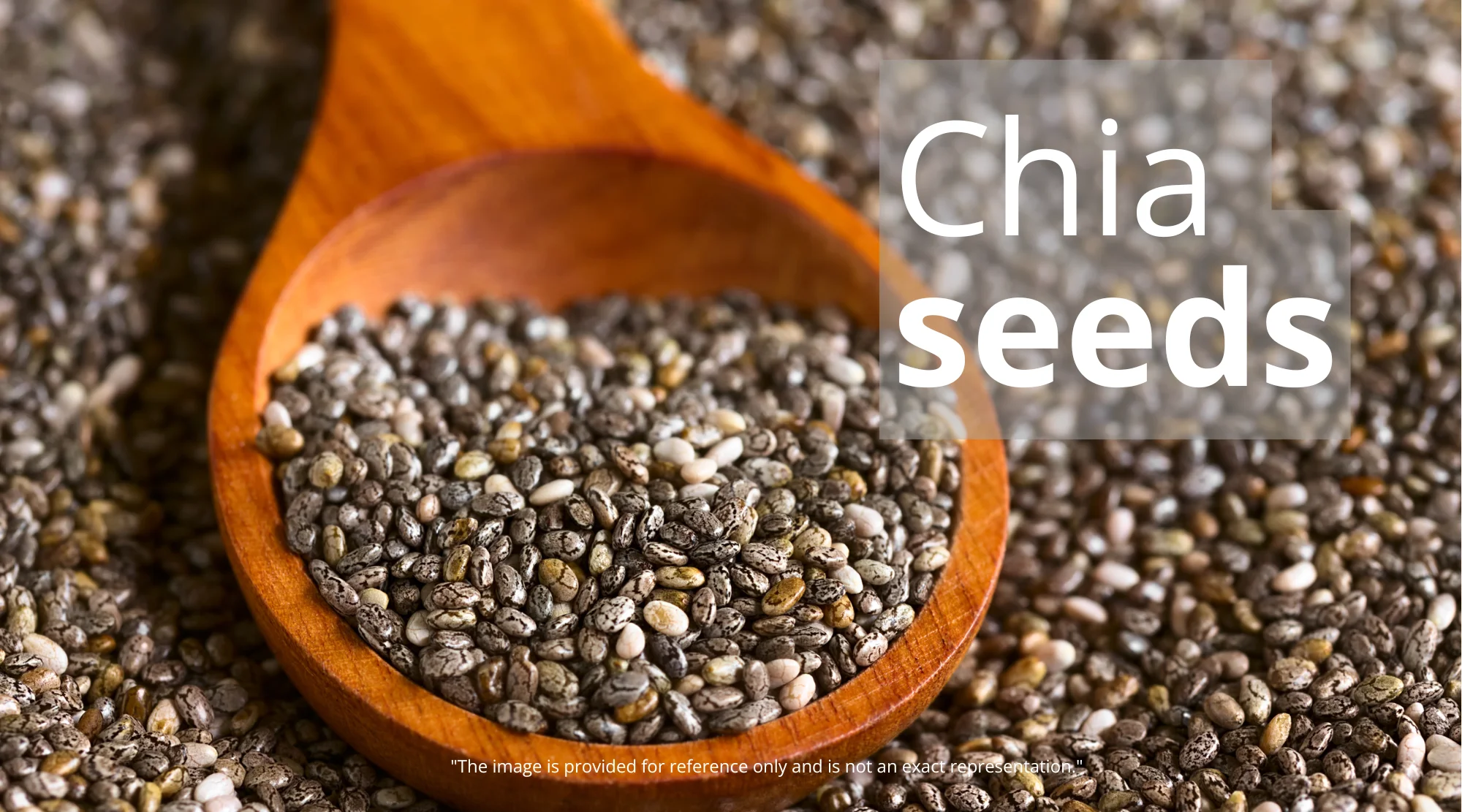
Nuts and seeds, such as almonds, walnuts, chia seeds, and flax seeds, also provide protein, healthy fats, and fiber. Incorporating a variety of protein sources into your diet ensures that you are getting a diverse range of nutrients. Chia Seeds: The Ultimate Guide to Safe Consumption and Nutritional Benefits, is an amazing read.
Quick and Easy Snack Preparation Tips
Time constraints can often make it challenging to prepare healthy snacks. However, with a little planning and preparation, it’s possible to create nutritious snacks quickly and easily. Here are some tips:
Prep Ahead: Spend some time on the weekend preparing snacks for the week. This could include chopping vegetables, portioning out nuts and seeds, or cooking hard-boiled eggs.
Keep Healthy Snacks Visible: Store healthy snacks in a visible and easily accessible location, such as the front of your refrigerator or pantry. This will make you more likely to choose them when hunger strikes.
Pack Snacks for On-the-Go: If you are often on the go, pack healthy snacks in a portable container or bag. This will prevent you from resorting to less healthy options when you are away from home.
Utilize Leftovers: Repurpose leftovers from meals into snacks. For example, leftover grilled chicken can be sliced and added to a salad or wrapped in a whole-grain tortilla.
Snacking for Specific Health Goals
Different health goals may require different snacking strategies. For example, if you are trying to lose weight, focus on high-protein, high-fiber snacks that promote satiety and help control cravings. If you are an athlete, prioritize snacks that provide sustained energy and support muscle recovery.
If you have diabetes, choose snacks that are low in sugar and high in fiber to help regulate blood sugar levels. Consult with a registered dietitian or healthcare professional for personalized snacking recommendations based on your individual needs and goals.
Conclusion
Incorporating high-protein, high-fiber snacks into your diet can be a game-changer for your health and well-being. By choosing nutrient-rich snacks that keep you feeling full and energized, you can optimize your metabolism, manage your weight, and reduce your risk of chronic diseases. Remember to prioritize whole, unprocessed foods and listen to your body’s hunger cues to make the most of your snacking habits. So, ditch the processed snacks and embrace the power of protein and fiber for a healthier, happier you.











3 comments