Protein is essential for building and repairing tissues, making enzymes and hormones, and supporting overall health. While chicken is often the go-to protein source, many other foods offer a comparable, or even greater, protein punch. Looking for alternatives to chicken to diversify your diet and boost your protein intake? You’ve come to the right place. This article explores several foods that pack more protein than chicken, offering a variety of options for everyone from meat-eaters to vegans. Discover how to easily incorporate these protein-rich choices into your daily meals.
Beyond the Bird: Discovering Foods With More Protein Than Chicken
Many people automatically think of chicken when they consider protein-rich foods. But that’s definitely not your only, or even always your best, option. From plant-based powerhouses to seafood sensations, a plethora of foods can provide a substantial protein boost, often accompanied by other essential nutrients.
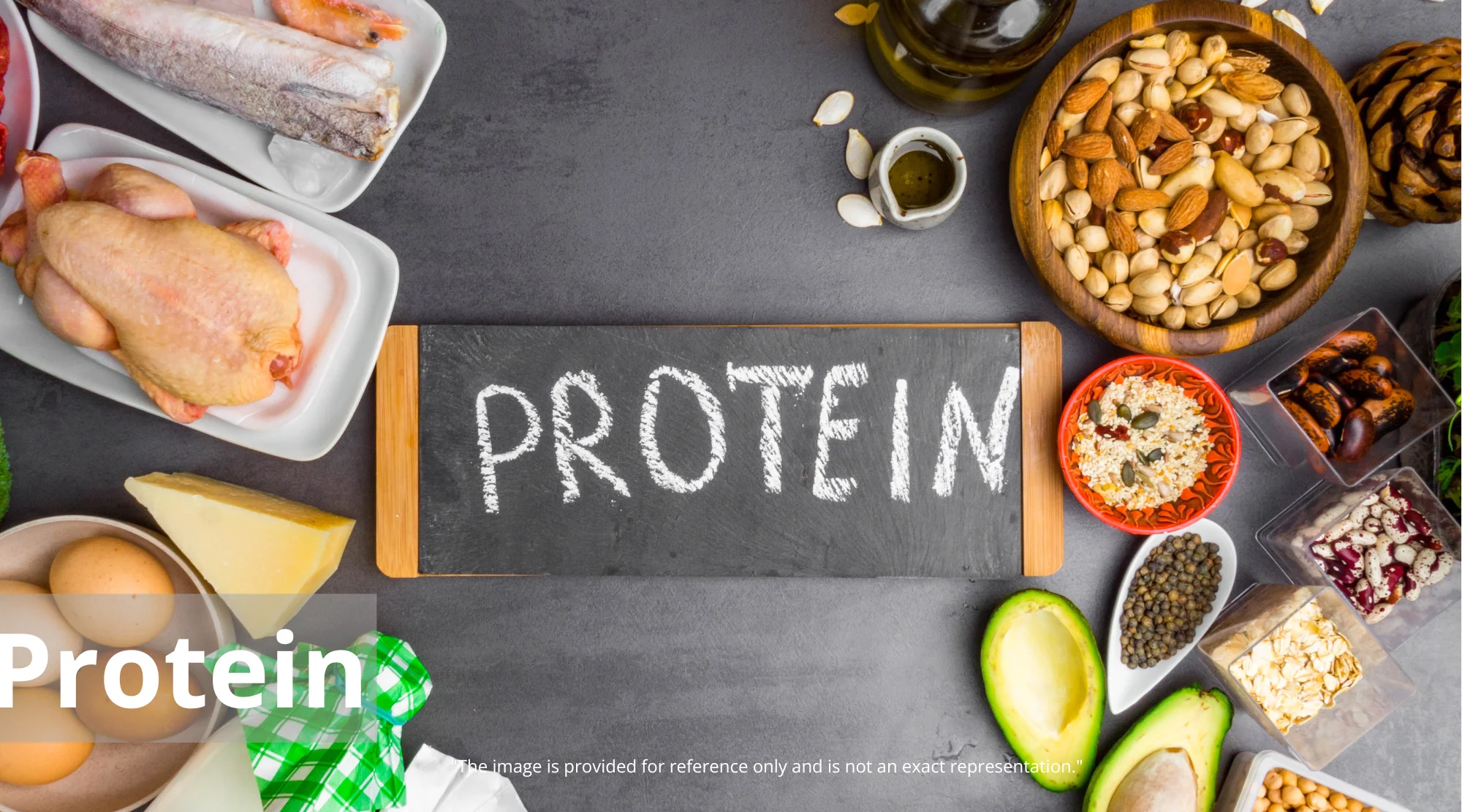
Legumes: A Plant-Based Protein Powerhouse
Legumes, including lentils, beans, and chickpeas, are nutritional dynamos, offering high protein content alongside fiber, iron, and antioxidants. These versatile foods are also incredibly affordable and environmentally friendly.
Lentils: Tiny But Mighty
Lentils are a nutritional powerhouse, boasting approximately 18 grams of protein per cooked cup. That surpasses the protein content of a similar serving of chicken! They’re also packed with fiber, which aids digestion and helps regulate blood sugar levels. Lentils are incredibly versatile. They can be used in soups, stews, salads, or as a meat substitute in dishes like shepherd’s pie or tacos.
Black Beans: A Staple for Protein and Fiber
Black beans offer about 15 grams of protein per cooked cup. Like other legumes, they are rich in fiber and essential minerals. Incorporate them into your diet through black bean burgers, salads, or as a side dish. Black beans are also an excellent source of antioxidants, which can help protect your cells from damage.
Chickpeas: From Hummus to Hearty Meals
Chickpeas, the star ingredient in hummus, contain roughly 15 grams of protein per cooked cup. These legumes are also a good source of fiber, folate, and iron. Roast them for a crunchy snack, add them to salads, or use them as a base for vegetarian curries.
Seafood Sensations: Protein from the Sea
Seafood offers a delicious and protein-rich alternative to chicken, often with the added benefits of omega-3 fatty acids and other essential nutrients.
Tuna: A Lean Protein Champion
Tuna is an excellent source of lean protein, providing around 30 grams per 3.5-ounce serving. It’s also rich in omega-3 fatty acids, which are beneficial for heart and brain health. Enjoy tuna in salads, sandwiches, or as a grilled steak. Be mindful of mercury levels and choose sustainably sourced options whenever possible.
Salmon: A Protein and Omega-3 Powerhouse
Salmon is another seafood superstar, offering approximately 25 grams of protein per 3.5-ounce serving. It is also one of the best sources of omega-3 fatty acids, which have been linked to reduced inflammation and improved cardiovascular health. Bake, grill, or poach salmon for a delicious and healthy meal.
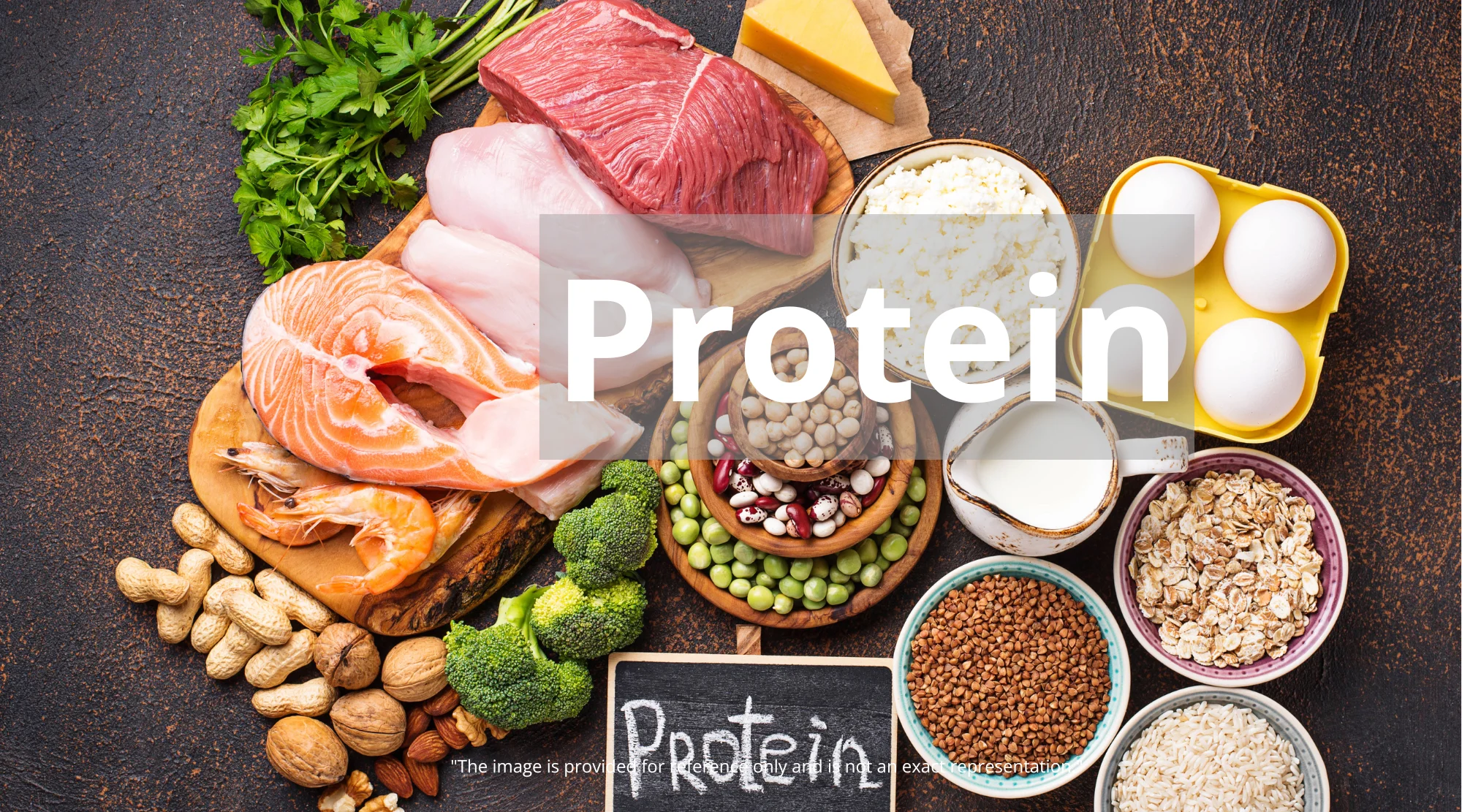
Shrimp: Small but Mighty in Protein
Shrimp packs about 20 grams of protein per 3-ounce serving. It’s also low in calories and fat, making it a great option for those watching their weight. Sauté, grill, or steam shrimp and add it to pasta dishes, salads, or stir-fries.
Dairy Delights: Protein-Packed Options
Dairy products like Greek yogurt and cottage cheese are excellent sources of protein and calcium, contributing to bone health and muscle function. If you tolerate dairy, these are very convenient choices.
Greek Yogurt: A Creamy Protein Boost
Greek yogurt stands out with its impressive protein content, offering around 20 grams per cup. This makes it a great breakfast or snack option. Choose plain, non-fat varieties to avoid added sugars. Enhance its flavor with fresh fruit, nuts, or a drizzle of honey.
Cottage Cheese: A Versatile Protein Source
Cottage cheese provides roughly 25 grams of protein per cup, making it a satisfying and versatile food. Enjoy it on its own, with fruit, or as a topping for toast. Its mild flavor also makes it a great addition to smoothies or baked goods.
Seeds and Nuts: Small but Mighty Protein Sources
Seeds and nuts are often overlooked as protein sources, but they can significantly contribute to your daily intake. They also provide healthy fats, fiber, and various vitamins and minerals.
Pumpkin Seeds: A Nutrient-Rich Snack
Pumpkin seeds deliver approximately 7 grams of protein per ounce, along with magnesium, zinc, and iron. Enjoy them roasted as a snack, sprinkled on salads, or added to trail mix.
Almonds: A Portable Protein Source
Almonds offer around 6 grams of protein per ounce. They are also a good source of healthy fats, vitamin E, and magnesium. Snack on a handful of almonds, add them to yogurt or oatmeal, or use almond butter as a spread. Remember to eat them in moderation due to their high calorie content.
Other High-Protein Alternatives
Beyond the foods already mentioned, several other options provide a significant amount of protein.
Quinoa: A Complete Protein Grain
Quinoa is a complete protein, meaning it contains all nine essential amino acids. It offers about 8 grams of protein per cooked cup, along with fiber and iron. Use quinoa as a base for salads, grain bowls, or as a side dish instead of rice. This makes it a great choice for vegans.
Eggs: A Classic Protein Source
While chicken lays eggs, eggs themselves are a fantastic source of protein. One large egg contains about 6 grams of protein. Eggs are also rich in essential nutrients like choline and vitamin D. Enjoy them scrambled, boiled, fried, or as part of omelets and frittatas. Review the article on Eggs Per Day: How Many Can You Eat Safely? Cholesterol Facts: https://befullbehealth.com/2025/eggs-per-day-how-many-can-you-eat-safely-cholesterol-facts/ for more details on egg consumption.
Maximizing Protein Intake: Tips and Strategies
Incorporating more protein into your diet doesn’t have to be complicated. Here are a few simple strategies to boost your protein intake throughout the day:
- Start your day with a protein-rich breakfast: Opt for Greek yogurt with nuts and seeds, eggs, or a protein smoothie.
- Include legumes in your meals: Add lentils to soups, black beans to salads, or chickpeas to curries.
- Snack on nuts and seeds: Keep a bag of almonds, pumpkin seeds, or trail mix on hand for a quick protein boost.
- Choose lean protein sources for lunch and dinner: Select fish, lean meats, or tofu as your main protein source.
- Consider protein supplements: If you struggle to meet your protein needs through food alone, consider adding a protein powder to your smoothies or shakes. Consult with a healthcare professional or registered dietitian before starting any new supplement regimen.
Conclusion: Diversify Your Protein Sources
While chicken is a common choice for protein, it’s far from the only option. By incorporating a variety of legumes, seafood, dairy, seeds, and other protein-rich foods into your diet, you can ensure you’re getting all the essential amino acids your body needs to thrive. Embracing these alternatives not only diversifies your nutrient intake but also opens the door to exciting new culinary experiences. So, ditch the chicken monotony and explore the world of high-protein foods to fuel your body and enhance your overall health. Make sure you combine high-protein foods with high-fiber ones. To learn more about high-protein, high-fiber options, read High-Protein, High-Fiber Snacks: Your Guide to Sustained Energy & Health: https://befullbehealth.com/2025/high-protein-high-fiber-snacks-your-guide-to-sustained-energy-health/












1 comment