Is This the World’s Healthiest Food? Unveiling the Powerhouse Nutrient Source
What is the single most nutritious food on the planet? While various superfoods compete for the title, one contender consistently emerges at the top of nutritional rankings. Packed with vitamins, minerals, and antioxidants, this unassuming food offers a wealth of health benefits. Read on to discover what this powerhouse food is and how incorporating it into your diet can transform your well-being.
What Makes a Food the “Healthiest?”
The concept of the “world’s healthiest food” is subjective, dependent on the criteria used for evaluation. However, a truly healthy food generally exhibits a high nutrient density – meaning it delivers a significant amount of essential nutrients per calorie. It should also be readily accessible, affordable, and versatile enough to be incorporated into various diets. A food’s impact on overall health, disease prevention, and longevity also plays a significant role in its ranking.
And the Winner Is… Watercress!
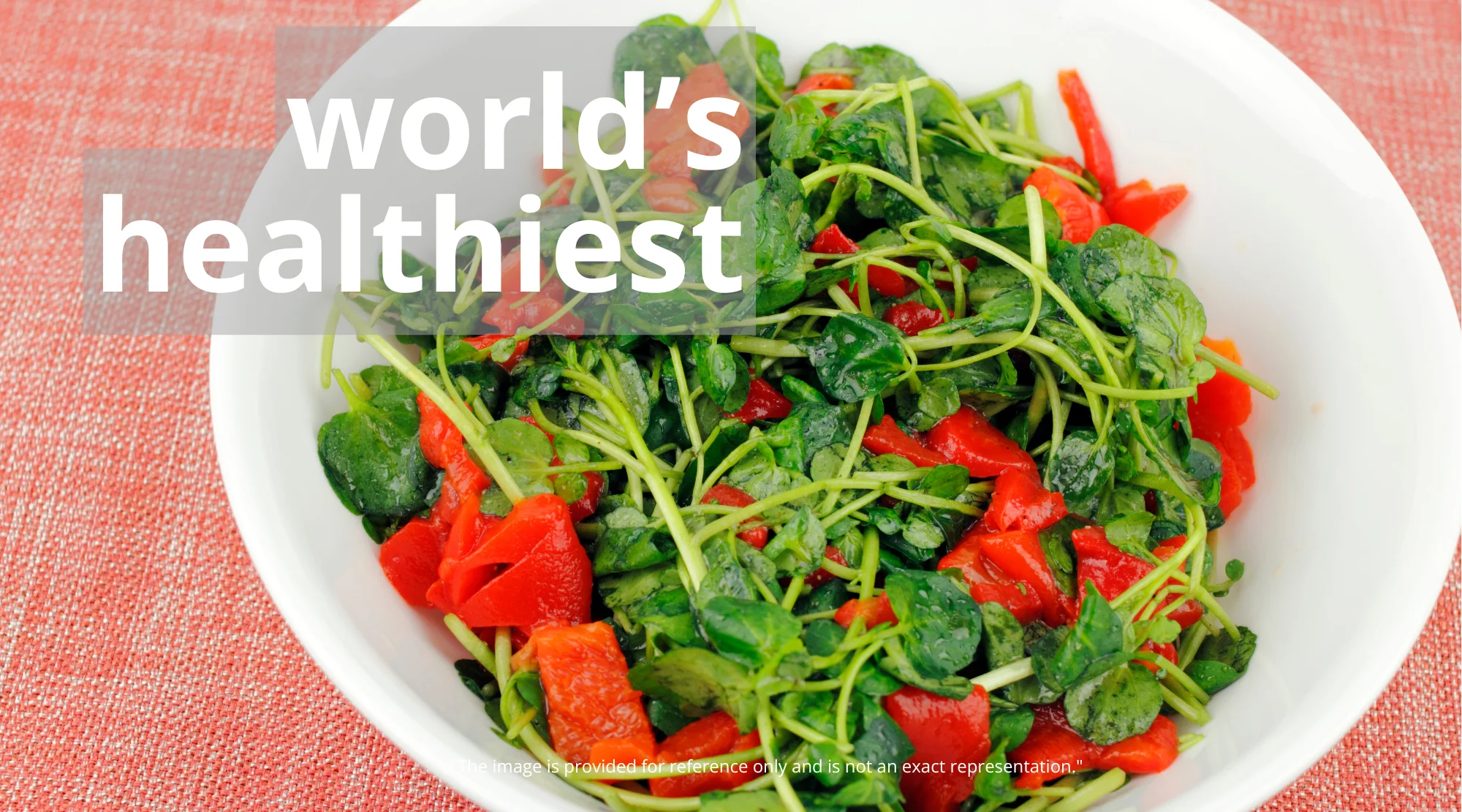
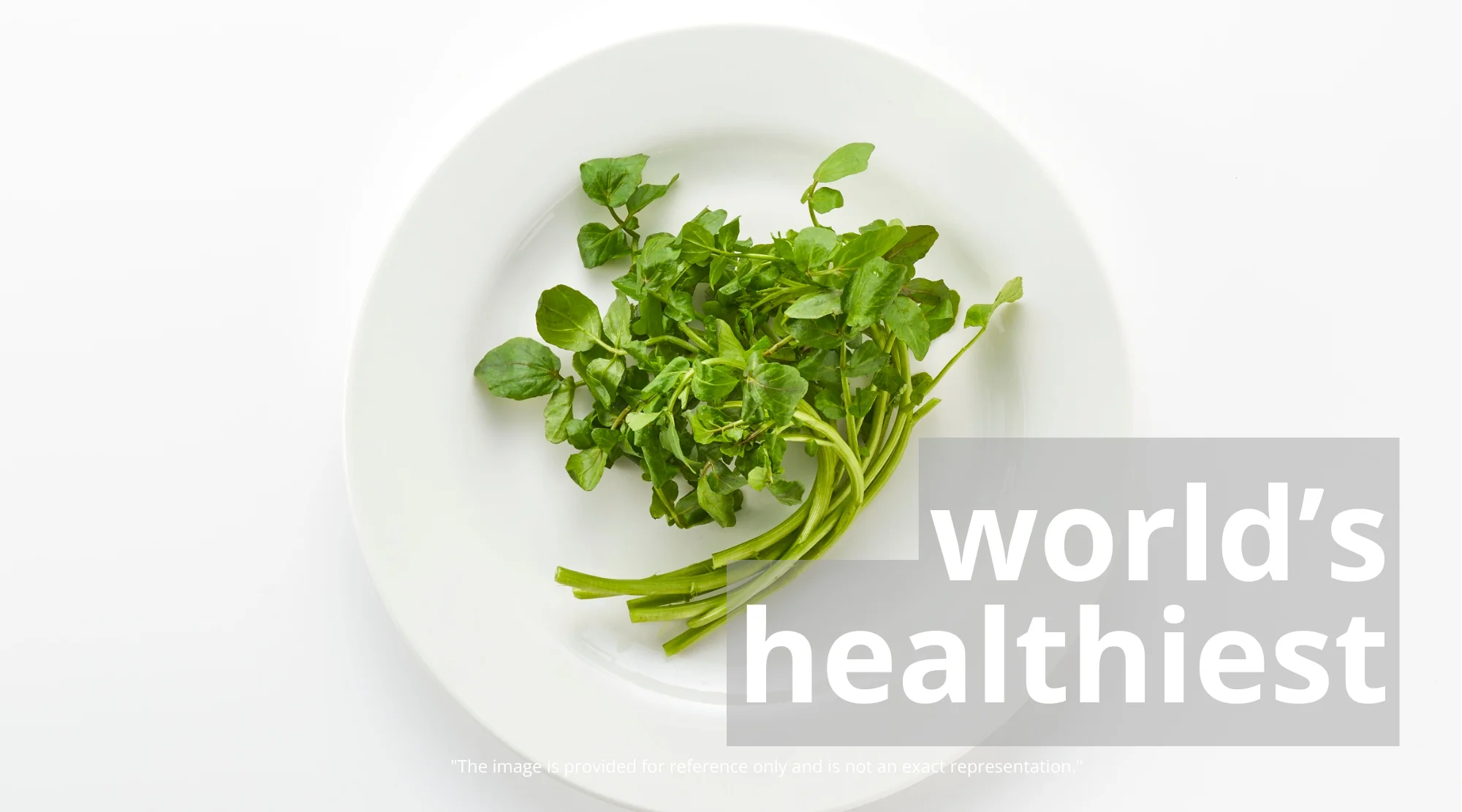
While many nutrient-rich foods exist, watercress often tops the list when considering overall nutritional value. This leafy green vegetable boasts an impressive array of vitamins and minerals, far exceeding many other fruits and vegetables. Watercress isn’t just a salad garnish; it’s a nutritional powerhouse ready to boost your health.
Watercress: A Deep Dive into Its Nutritional Profile
What makes watercress so special? Let’s break down its nutritional components:
- Vitamins: Watercress is exceptionally rich in Vitamin K, crucial for blood clotting and bone health. It also contains significant amounts of Vitamin C, an antioxidant that supports immune function, and Vitamin A, essential for vision and cell growth. For more information about the importance of Vitamin C, check out our article on Vitamin C: Finding the Best Type for Your Health Needs.
- Minerals: This leafy green provides essential minerals like calcium, vital for strong bones and teeth. High-Calcium Foods: Your Guide to Stronger Bones & Health, provides a thorough guide to calcium sources. It also contains potassium, which helps regulate blood pressure, and manganese, which plays a role in metabolism.
- Antioxidants: Watercress is packed with antioxidants, including beta-carotene and flavonoids, which protect the body against cellular damage caused by free radicals. These antioxidants help reduce the risk of chronic diseases and promote overall health.
- Glucosinolates: These compounds are broken down into isothiocyanates, which have been shown to have anti-cancer properties in some studies. The potential of specific compounds to halt cancer spread is an area of ongoing research; explore our article on Halting Cancer Spread: SPP1 Breakthrough Offers New Hope.
The Health Benefits of Watercress: More Than Just a Salad Green
Consuming watercress regularly can have a profound impact on your health. Here are some of its key benefits:
- Cancer Prevention: The isothiocyanates in watercress have been linked to a reduced risk of certain cancers, including lung, colon, and breast cancer. These compounds can help detoxify carcinogens and inhibit the growth of cancer cells.
- Cardiovascular Health: Watercress can improve cardiovascular health by lowering blood pressure, reducing inflammation, and preventing the buildup of plaque in the arteries. The potassium content contributes to healthy blood pressure levels.
- Bone Health: The high Vitamin K content in watercress is crucial for maintaining strong and healthy bones. Vitamin K helps regulate bone metabolism and reduces the risk of osteoporosis. Reversing Osteoporosis with New Bone Strengthening Breakthroughs can give you more information.
- Eye Health: Watercress contains lutein and zeaxanthin, two antioxidants that protect the eyes from age-related macular degeneration and cataracts. These antioxidants help filter harmful blue light and reduce oxidative stress in the eyes.
- Immune System Support: The Vitamin C in watercress boosts the immune system, helping the body fight off infections and illnesses. Vitamin C stimulates the production of white blood cells, which are essential for immune function.
- Skin Health: The antioxidants in watercress protect the skin from damage caused by UV radiation and pollution. These antioxidants help reduce wrinkles, improve skin elasticity, and promote a healthy complexion.
How to Incorporate Watercress into Your Diet
Watercress is incredibly versatile and can be easily added to your meals. Here are some ideas:
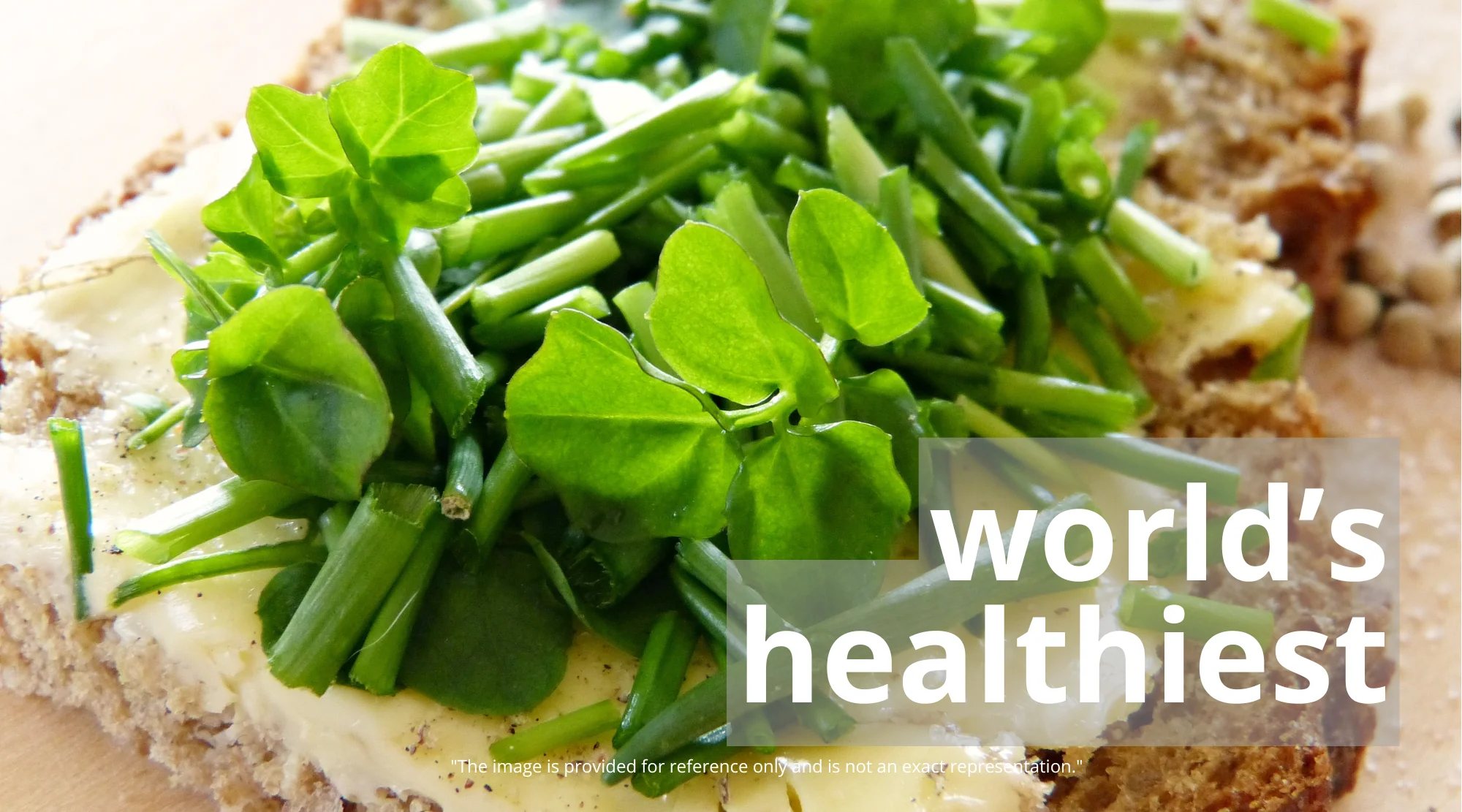
- Salads: Add watercress to your salads for a peppery and slightly spicy flavor. It pairs well with other leafy greens, vegetables, and fruits.
- Soups: Watercress can be added to soups for extra flavor and nutrients. Add it towards the end of cooking to preserve its delicate flavor and nutrients.
- Sandwiches and Wraps: Use watercress as a filling in sandwiches and wraps. It adds a fresh and crunchy texture.
- Smoothies: Blend watercress into your smoothies for a nutrient boost. It blends well with fruits, vegetables, and yogurt.
- Pesto: Make watercress pesto by blending it with nuts, garlic, Parmesan cheese, and olive oil. Use it as a sauce for pasta, vegetables, or grilled meats.
- Juice: Watercress can be juiced on its own or combined with other fruits and vegetables.
Growing Your Own Watercress
For the freshest and most cost-effective option, consider growing your own watercress. It thrives in moist environments, so a consistently wet area in your garden or a container with ample drainage is ideal. With a little care, you can have a continuous supply of this nutritional powerhouse.
Potential Risks and Considerations
While watercress is generally safe for consumption, there are a few things to keep in mind:
- Contamination: Watercress grown in contaminated water can harbor harmful bacteria or parasites. Always wash watercress thoroughly before eating it.
- Vitamin K Interactions: Because watercress is high in Vitamin K, individuals taking blood-thinning medications should consult with their doctor before consuming large amounts. Vitamin K can interfere with the effectiveness of these medications.
- Allergies: Although rare, some people may be allergic to watercress. If you experience symptoms such as itching, swelling, or difficulty breathing after eating watercress, seek medical attention.
Beyond Watercress: Other Contenders for the “Healthiest Food” Title
While watercress boasts an impressive nutritional profile, other foods also deserve recognition for their health benefits:
- Spinach: Another leafy green packed with vitamins, minerals, and antioxidants. Spinach is an excellent source of iron, which is essential for red blood cell production.
- Kale: Known for its high levels of vitamins A, C, and K, as well as its antioxidant content. Kale is a versatile vegetable that can be used in salads, smoothies, and cooked dishes.
- Salmon: A fatty fish rich in omega-3 fatty acids, which are beneficial for heart health and brain function. Salmon is also a good source of protein and Vitamin D. Consider incorporating fish oil supplements if you struggle to consume enough omega-3s in your diet, but be aware of Fish Oil & Cancer: Does It Really Help? What You Need To Know.
- Blueberries: Packed with antioxidants, which protect the body against cellular damage. Blueberries have been linked to improved brain function, reduced risk of heart disease, and better blood sugar control.
- Garlic: Contains allicin, a compound with antibacterial and antiviral properties. Garlic can help boost the immune system, lower blood pressure, and reduce the risk of certain cancers.
The Takeaway: Embrace Nutrient-Dense Foods for Optimal Health
While there may never be a definitive answer to the question of “the world’s healthiest food,” watercress certainly deserves a place at the top of the list. Its impressive nutritional profile and numerous health benefits make it a valuable addition to any diet. By incorporating watercress and other nutrient-dense foods into your meals, you can significantly improve your overall health and well-being. Remember that a balanced diet, rich in a variety of fruits, vegetables, and whole grains, is the key to optimal health.
Consuming a balanced diet also contributes to Transform Your Health: How Diet Choices Shape Your Longevity & Well-being.












Post Comment