In the realm of public health, few topics ignite as much debate and concern as vaccine hesitancy. Recent data paints a sobering picture: a growing number of families in the U.S. are choosing to delay or forgo recommended vaccinations for their children. This trend raises critical questions about the potential risks to individual and community health, the drivers behind vaccine hesitancy, and the importance of evidence-based decision-making in safeguarding our well-being. This article delves into the complexities of vaccine hesitancy, exploring the science, the fears, and the solutions needed to promote informed choices and protect public health.
The Rising Tide of Vaccine Hesitancy: A Growing Concern
The numbers are stark. Studies show a significant percentage of parents are now either delaying or completely forgoing vaccinations for their children. This shift in behavior has ignited alarm bells among public health officials and medical professionals. The decline in vaccination rates threatens to reverse decades of progress in controlling and eradicating preventable diseases. This resurgence can lead to outbreaks of diseases like measles, mumps, and whooping cough, placing vulnerable populations at risk, especially young children, the elderly, and individuals with compromised immune systems.
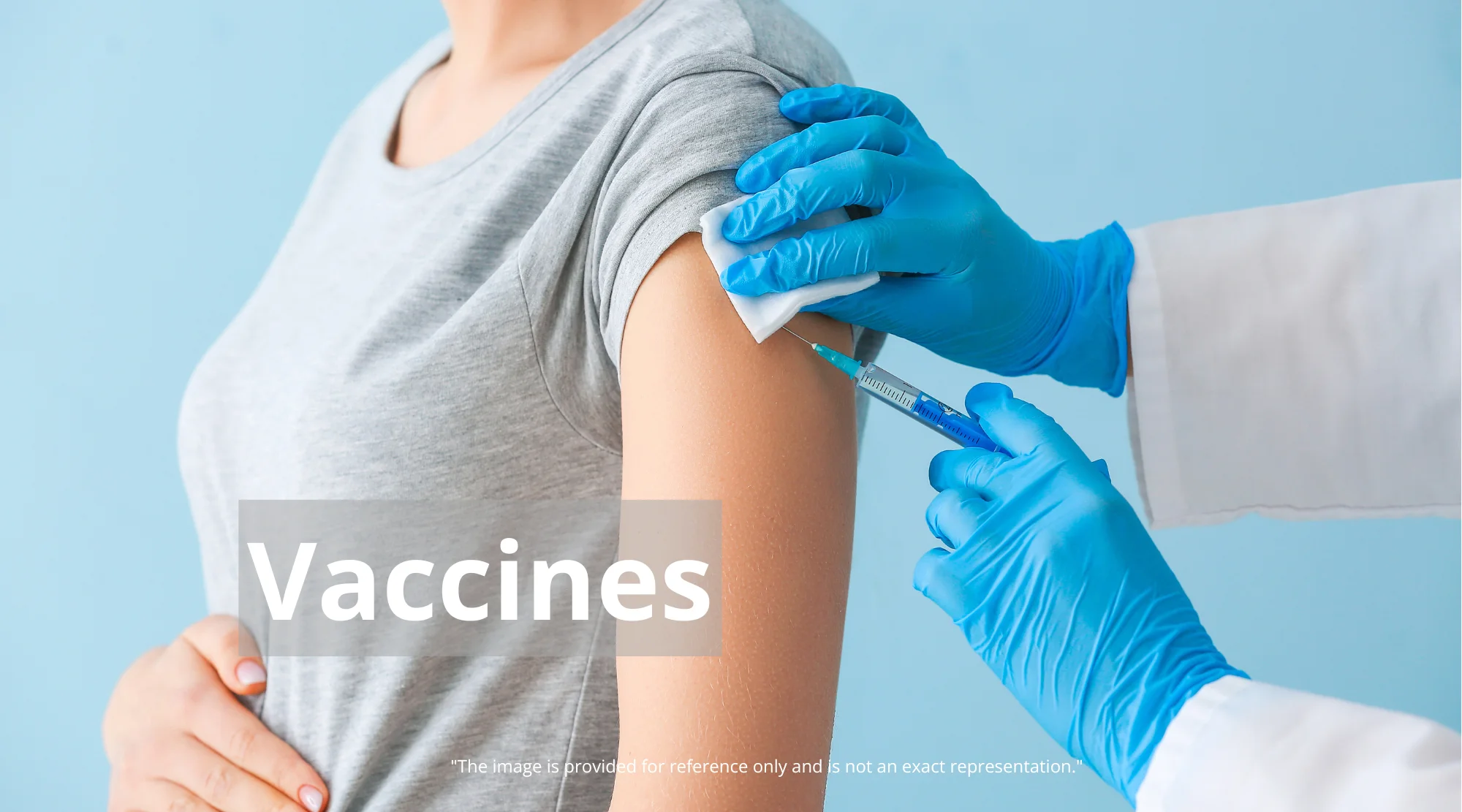
Unpacking the Reasons Behind Hesitancy
Understanding the motivations behind vaccine hesitancy is the first step toward addressing this critical issue. Several factors contribute to parents’ reluctance to vaccinate their children:
- Concerns about side effects: Many parents express worries about potential adverse reactions to vaccines. While most side effects are mild and temporary, the fear of rare, serious complications can be a significant deterrent.
- Misinformation and distrust: The spread of misinformation about vaccines, often amplified by social media, fuels distrust in the medical establishment and government health agencies. Myths linking vaccines to autism, which have been widely debunked, continue to circulate and influence people’s decisions.
- Mistrust of healthcare systems: Some parents harbor general distrust of healthcare providers and the pharmaceutical industry, viewing them as driven by profit rather than patient well-being.
- Complacency: In areas where vaccine-preventable diseases are less prevalent, some parents may perceive the risk of infection as low, leading them to believe that vaccination is unnecessary.
The Risks of Delaying or Skipping Vaccinations
Delaying or skipping vaccinations carries significant risks. Children who are not vaccinated are more susceptible to contracting and spreading infectious diseases. These diseases can lead to serious complications, including:
- Hospitalization:
Many vaccine-preventable diseases can require hospitalization, placing a burden on healthcare resources and incurring significant costs. - Permanent disability:
Some diseases, like polio and measles, can cause permanent disabilities, such as paralysis and brain damage. - Death:
In severe cases, vaccine-preventable diseases can be fatal, particularly for infants and young children. - Outbreaks:
Reduced vaccination rates create opportunities for diseases to spread rapidly through communities, leading to outbreaks and the potential for widespread illness.
It’s important to remember that vaccines are designed to protect children during their most vulnerable years. Delaying these shots is not recommended. For those who want to learn more about the safety of vaccines, you can read more here: https://www.who.int/news-room/q-a-detail/vaccines-and-immunization-what-is-vaccination
Addressing Concerns and Building Trust
Combating vaccine hesitancy requires a multi-faceted approach that prioritizes building trust, providing accurate information, and addressing parents’ concerns with empathy and respect. Here are some strategies:
- Open Communication: Healthcare providers should engage in open and honest conversations with parents about vaccines, addressing their questions and concerns in a non-judgmental manner. Providing clear and concise information about the benefits and risks of vaccination is essential.
- Education and Awareness: Public health campaigns should focus on educating the public about the importance of vaccines and debunking common myths and misinformation.
- Transparency and Accountability: Health agencies and pharmaceutical companies should prioritize transparency in their research and development processes, ensuring that data is readily available and accessible to the public.
- Community Engagement: Partnering with community leaders, religious organizations, and other trusted figures can help build trust and disseminate accurate information within specific communities.
- Addressing Systemic Issues: Recognizing and addressing systemic issues, such as healthcare disparities and mistrust in healthcare systems, can help foster a more equitable and trusting environment.
The Importance of Evidence-Based Decision Making
When making decisions about vaccines, it is important to rely on credible sources of information. Parents should consult with their healthcare providers, review information from reputable organizations, such as the Centers for Disease Control and Prevention (CDC) and the World Health Organization (WHO). These organizations provide data-driven recommendations based on the latest scientific evidence.
The benefits of a healthy lifestyle
A healthy lifestyle can significantly improve your well-being, from your physical fitness to your mental clarity. Incorporating these habits into your routine will bring you tangible benefits:
- Balanced Diet:
Eating a nutritious diet full of fruits, vegetables, whole grains, and lean proteins helps prevent chronic diseases. - Regular Exercise:
Engaging in regular physical activity, like the “Re Ho Squats” (internal link to: [https://befullbehealth.com/2025/re-ho-squats-guide/]), boosts mood, and helps manage weight. - Adequate Sleep:
Prioritizing 7-8 hours of quality sleep is essential for optimal physical and cognitive function. Explore the importance of sleep in “The Power of Sleep: Why Prioritizing Rest is Crucial for Your Health” (internal link: https://befullbehealth.com/2025/the-power-of-sleep-why-prioritizing-rest-is-crucial-for-your-health/). - Stress Management:
Practicing stress-reducing techniques like meditation and mindfulness is crucial for mental health. Learn more in “Master Stress: Proven Strategies for a Calmer, Healthier You” (internal link: https://befullbehealth.com/2025/master-stress-proven-strategies-for-a-calmer-healthier-you-be-full-be-health/). - Preventive Check-ups:
Regular check-ups and screenings help detect health issues early. - Limiting Exposure:
Avoid smoking, excessive alcohol consumption, and other substances that can negatively impact health.
The Mediterranean diet, known for its health benefits, may be a good starting point. For example, this diet can also protect brain health, see “Mediterranean Diet and Alzheimer’s: How Food Protects Your Brain” (internal link to: https://befullbehealth.com/2025/mediterranean-diet-and-alzheimers-how-food-protects-your-brain/). Another related diet is the DASH diet, which has been proven to help improve blood pressure, and has a lot of great advantages for health. If you are interested, you can read it here: https://www.nhlbi.nih.gov/education/dash-eating-plan
Building a Healthier Future: A Collective Responsibility
Addressing vaccine hesitancy and promoting public health requires a collective effort. Healthcare providers, public health officials, community leaders, and parents all have a role to play in fostering an environment of trust, providing accurate information, and empowering individuals to make informed decisions about their health. A healthier future for all requires a commitment to science-based decision-making, open communication, and a shared responsibility for protecting the well-being of our communities. Remember that the food you consume impacts the prevention of multiple diseases, so it is necessary to make the right food choices.
Summary: Protecting Our Community Through Informed Choices
The rise of vaccine hesitancy is a serious challenge to public health, but one that can be overcome. By acknowledging the reasons behind hesitancy, addressing concerns with empathy and accuracy, and promoting evidence-based decision-making, we can rebuild trust and encourage informed choices about vaccination. Protecting our community starts with each of us, making responsible decisions based on sound medical and scientific knowledge. This involves not only vaccinating ourselves and our children but also supporting those who are open to questioning the subject.













Post Comment