Are you an egg lover wondering how many eggs you can eat without raising your cholesterol? Eggs are nutritional powerhouses, packed with protein and essential nutrients. But with cholesterol concerns often swirling around this breakfast staple, it’s natural to question how many eggs per day are safe. Let’s crack open the facts and explore the latest research to help you make informed choices about incorporating eggs into a healthy diet.
How Many Eggs a Day Can You Eat? Unveiling the Truth
Eggs have long been a topic of debate in the nutrition world. Are they a healthy protein source, or a cholesterol-raising danger? The good news is that for most healthy individuals, enjoying an egg a day is perfectly acceptable and may not significantly impact your cardiovascular risk. However, individual health conditions and dietary habits play a crucial role in determining what’s right for you. Let’s delve into the science behind eggs and cholesterol, debunking myths, and offering practical guidance.

Understanding the Egg-Cholesterol Connection
The yolk is where most of the cholesterol in an egg resides. When you consume cholesterol, your body processes it, and this can affect your blood cholesterol levels. However, dietary cholesterol has less impact on blood cholesterol than saturated and trans fats. For many years, health guidelines cautioned against high egg consumption. Current research suggests a more nuanced approach.
The Impact of Dietary Cholesterol
It’s important to differentiate between dietary cholesterol (from food) and blood cholesterol (produced by your body). Saturated and trans fats are the biggest dietary culprits for raising LDL (“bad”) cholesterol, while dietary cholesterol has a smaller impact for most people. Some individuals are more sensitive to dietary cholesterol than others, but for the majority, moderate egg consumption doesn’t pose a significant risk. Here’s a helpful resource from the American Heart Association about cholesterol.
The Nutritional Benefits of Eggs
Eggs offer a wealth of benefits beyond just protein. They are rich in:
- Essential Amino Acids: The building blocks of protein, vital for muscle repair and growth.
- Vitamins: Including Vitamin D, B12, and choline, crucial for various bodily functions.
- Minerals: Such as iron and selenium, supporting energy levels and immune function.
- Healthy Fats: Eggs contain unsaturated fats, which are beneficial for heart health.
Guidelines for Egg Consumption: Who Should Be Cautious?
While an egg a day is generally considered safe for healthy individuals, certain groups should exercise caution:
- Individuals with High Cholesterol: Those with elevated cholesterol levels, especially LDL, might consider limiting their intake to 3-4 eggs per week. Consult with your doctor or a registered dietitian for personalized advice.
- People with Cardiovascular Disease: If you have heart disease or are at high risk, monitor your cholesterol levels closely and discuss egg consumption with your healthcare provider.
- Those with Diabetes: Studies suggest that people with diabetes might be more sensitive to dietary cholesterol. Moderation is key, and regular cholesterol checks are advisable.
Optimizing Your Egg Consumption
To maximize the health benefits of eggs and minimize potential risks, consider the following:
- Prepare Eggs Healthily: Opt for poaching, boiling, or scrambling with minimal added fats. Avoid frying eggs in excessive amounts of butter or oil.
- Balance Your Diet: Focus on a diet rich in fruits, vegetables, whole grains, and lean proteins. Limit saturated and trans fats, which can negatively impact cholesterol levels. Consider following a 7-Day High-Protein Mediterranean Diet Meal Plan for Fall: Fuel Your Body!
- Consider Egg Whites: Egg whites are pure protein and contain no cholesterol. You can use them to supplement your diet without increasing your cholesterol intake.
- Consult a Professional: If you have concerns about your cholesterol levels or egg consumption, seek guidance from a registered dietitian or healthcare provider.
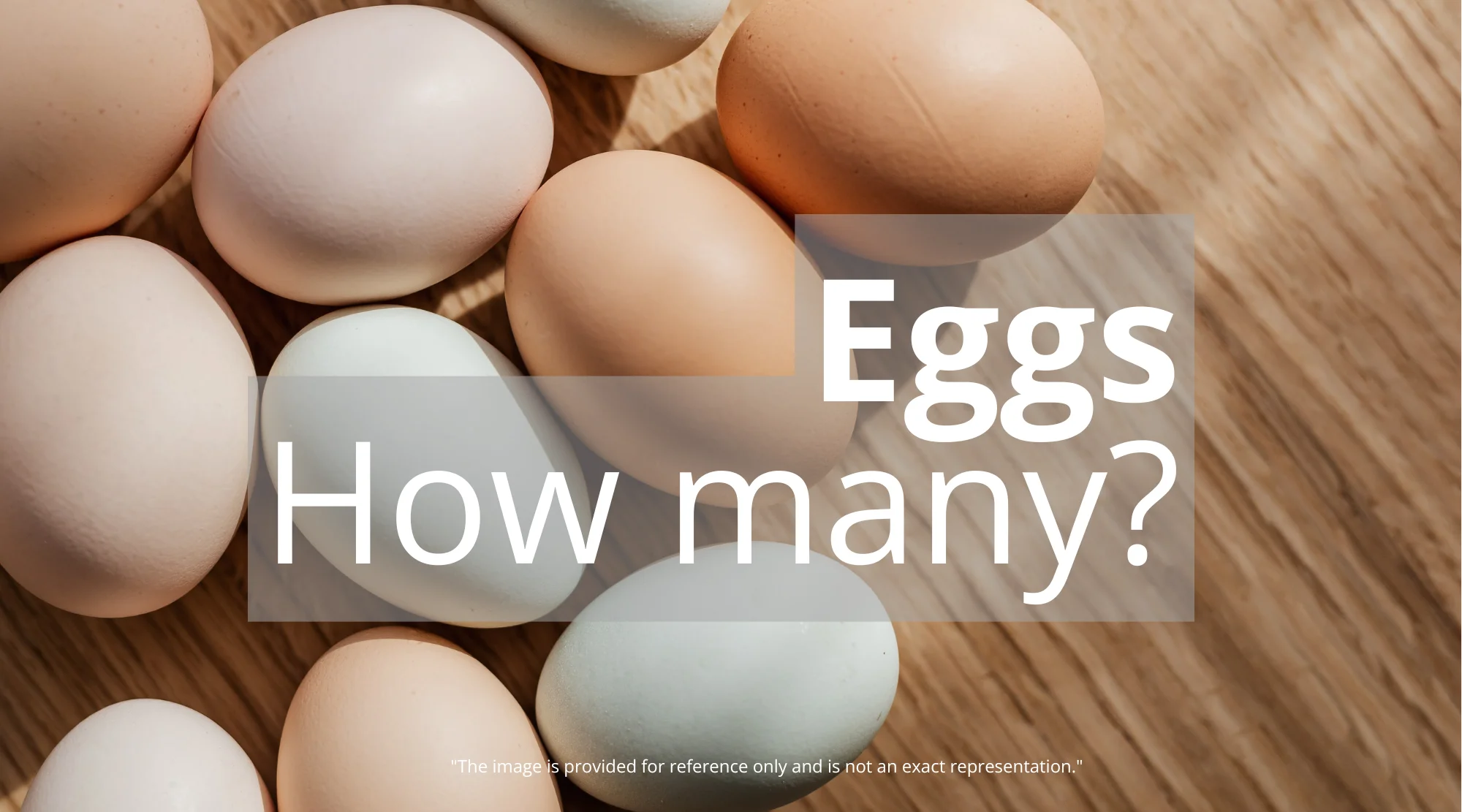
The Best Time to Eat Eggs
Eggs can be enjoyed at any time of day. Many find them a satisfying and nutritious breakfast option, providing sustained energy and curbing cravings throughout the morning. Including eggs at lunch or dinner is equally beneficial, especially when paired with vegetables and whole grains. The best time to eat eggs per day depends on your personal preferences and dietary needs.
Eggs for Breakfast: A Protein Powerhouse
Starting your day with eggs can help regulate appetite and prevent unhealthy snacking. The high protein content promotes satiety, keeping you feeling full and energized.
Eggs for Lunch or Dinner: Versatile and Nutritious
Eggs can be incorporated into various dishes, from salads and stir-fries to omelets and frittatas. Their versatility makes them a convenient and healthy addition to any meal.
Decoding the Myths Around Egg Consumption
Many misconceptions surround egg consumption and its impact on health. Let’s debunk some common myths:
- Myth: Eggs are bad for your heart.
- Reality: For most people, moderate egg consumption does not significantly increase the risk of heart disease.
- Myth: You should only eat egg whites.
- Reality: The yolk contains valuable nutrients, including vitamins, minerals, and healthy fats.
- Myth: Everyone should limit their egg intake.
- Reality: Individual dietary needs vary. Healthy individuals can often enjoy an egg a day without adverse effects.
- Myth: All cholesterol is bad.
- Reality: There is “good” (HDL) cholesterol and “bad” (LDL) cholesterol. Eggs can raise HDL cholesterol, which is beneficial.
The Bottom Line: Enjoy Eggs as Part of a Balanced Diet
In conclusion, for most healthy individuals, enjoying eggs per day is a safe and nutritious choice. The key is moderation and mindful preparation. If you have specific health concerns, consult with a healthcare professional to determine the right approach for you. Embrace the versatility and nutritional benefits of eggs as part of a balanced and heart-healthy diet. Remember to balance your egg consumption with other lifestyle choices, such as regular exercise. For more information on maintaining a healthy lifestyle, check out our article on The 10,000-Step Myth: How Much Walking Do You Really Need for Health?












1 comment